Monthly reporting in the workplace is more than just a regulatory checkbox—it’s a powerful tool that builds trust between employees, EHS and senior management in the workplace. By providing opportunities for communication, feedback, and proactive safety management, EHS professionals can leverage these reports to engage senior managers and enhance overall workplace safety. But how can we make these reports more effective and ensure everyone stays actively involved?
EHS and safety professionals already recognize the importance of communication and reporting in the workplace. Yet, such practices can be scarce; workers across a variety of industries, especially those in temporary or precarious positions, often accept unsafe working conditions and workplace injuries with a fear of employer punishment as the reason (Hall, 2016). Evidently, trust must be established and continuously reinforced between employees and EHS to encourage reporting and maximize safety across the board.
Reporting practices, especially when done in collaboration, are key to creating feedback loops between EHS and senior managers, fostering transparency and a culture of continuous improvement. EHS should conduct monthly health and safety and hazard inspections of the workplace, together with their employees. Aside from solely inspecting hazards, inspections might benefit from the inclusion of safety metrics for each department; this can make tasks and safety outcomes more manageable. Also, incorporating behavioral analytics into monthly inspections and reports can highlight patterns of safe and unsafe behaviors. For example, employee engagement in training sessions, participation in safety initiatives, and completion of safety checklists can be measured to take on a “behavior vs. outcome” approach. Ultimately, outlining findings from health and safety inspections is critical in tracking EHS progress and proactiveness across the workplace, and ensures consistent opportunities for employees to ask questions and provide feedback. In turn, trust can be ensured.
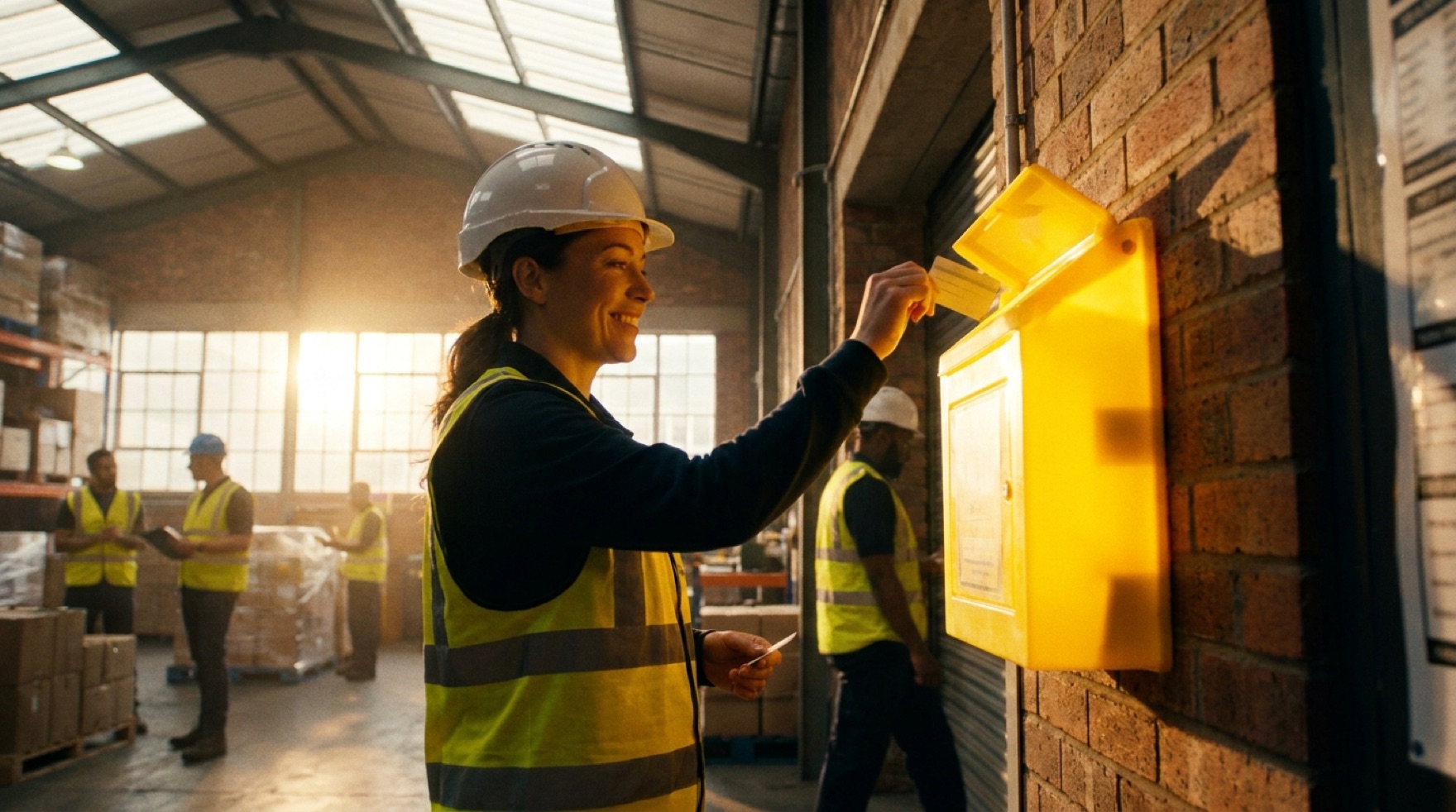
It’s essential for EHS to craft a monthly report to senior management that packages information in an informative and concise way. Including human-based stories in reports can show the real impact of safety measures on employees, making the data more relatable. Employee feedback is key to strengthening the EHS-employee connection; summarizing employee concerns and management’s responses in reports promotes transparency and responsiveness. Also, it is essential to highlight the financial benefits of safety measures. Showcasing data on reduced injuries and associated cost savings can demonstrate the value of proactive risk mitigation efforts. For instance, ergonomic improvements might reduce injury claims by 25%, saving your company thousands of dollars annually.
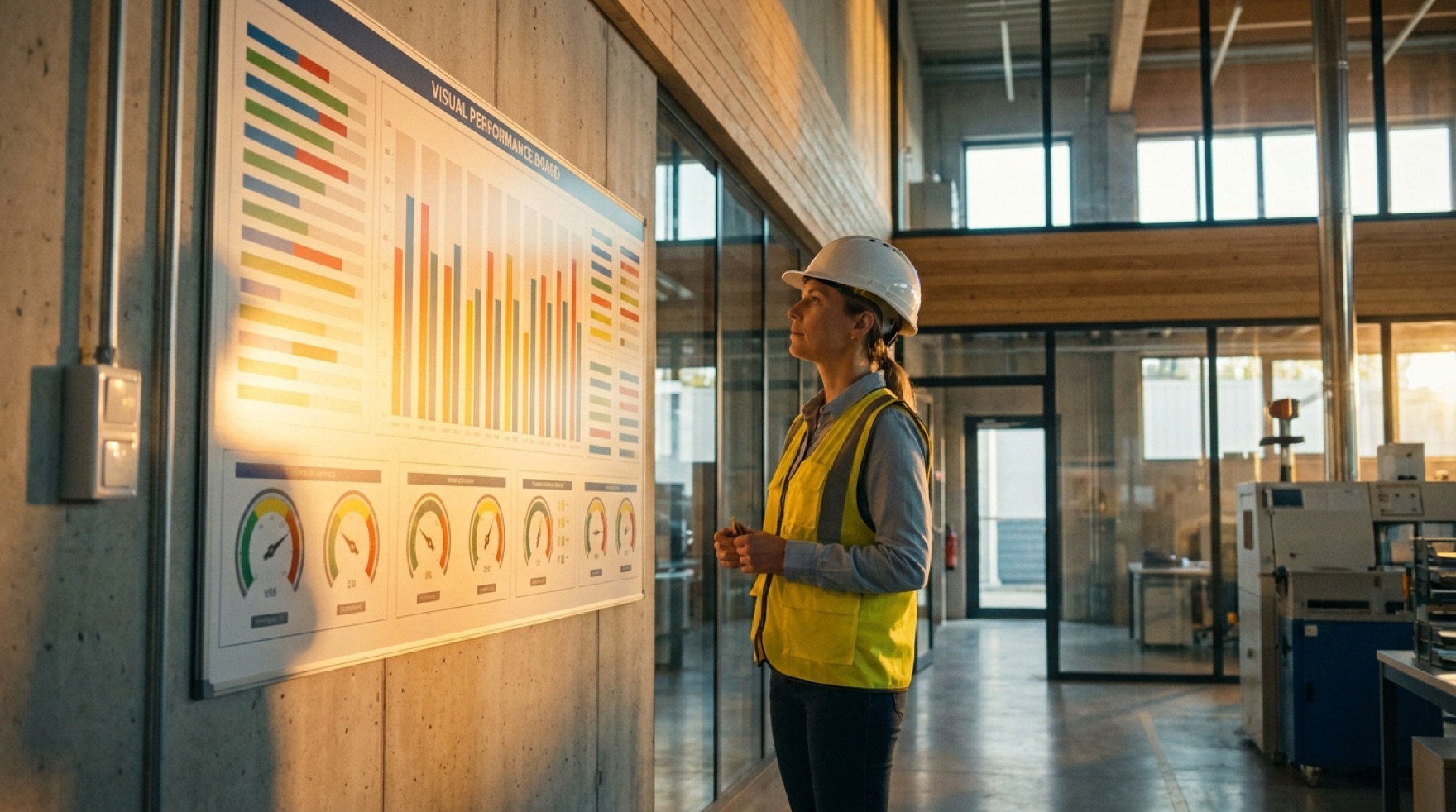
Given upper management’s limited time, use dashboards or summaries to present key metrics like incident rates and training completion. Visual elements such as tables or charts help ensure quick comprehension. Reports should also note strengths and areas for improvement; setting clear goals for the next month fosters continuous safety improvement! Even better, tailoring safety metrics for each department can make the findings and data more relevant and actionable, empowering managers to take ownership of safety outcomes and act swiftly.
By using these strategies and streamlining data into an easily accessible format, EHS professionals can deliver powerful, action-driven reports that engage management, demonstrate cost savings, and ensure ongoing attention to workplace safety.