






Practical safety guidance for the work you do
Search for a task or a piece of equipment to open its safety guide: the hazards involved, how to control them, and the standards that apply.
Featured articles
 Featured
Building a Heat Illness Prevention Program That Works
Heat management looks straightforward on paper: monitor conditions, provide water and shade, add breaks, and train workers accordingly. In practice it takes judgment, because conditions shift within a shift and sun, humidity, workload, and PPE all change exposure. A program that holds up puts acclimatization near the top, measures heat the right way, and gives supervisors clear authority to act on defined triggers.
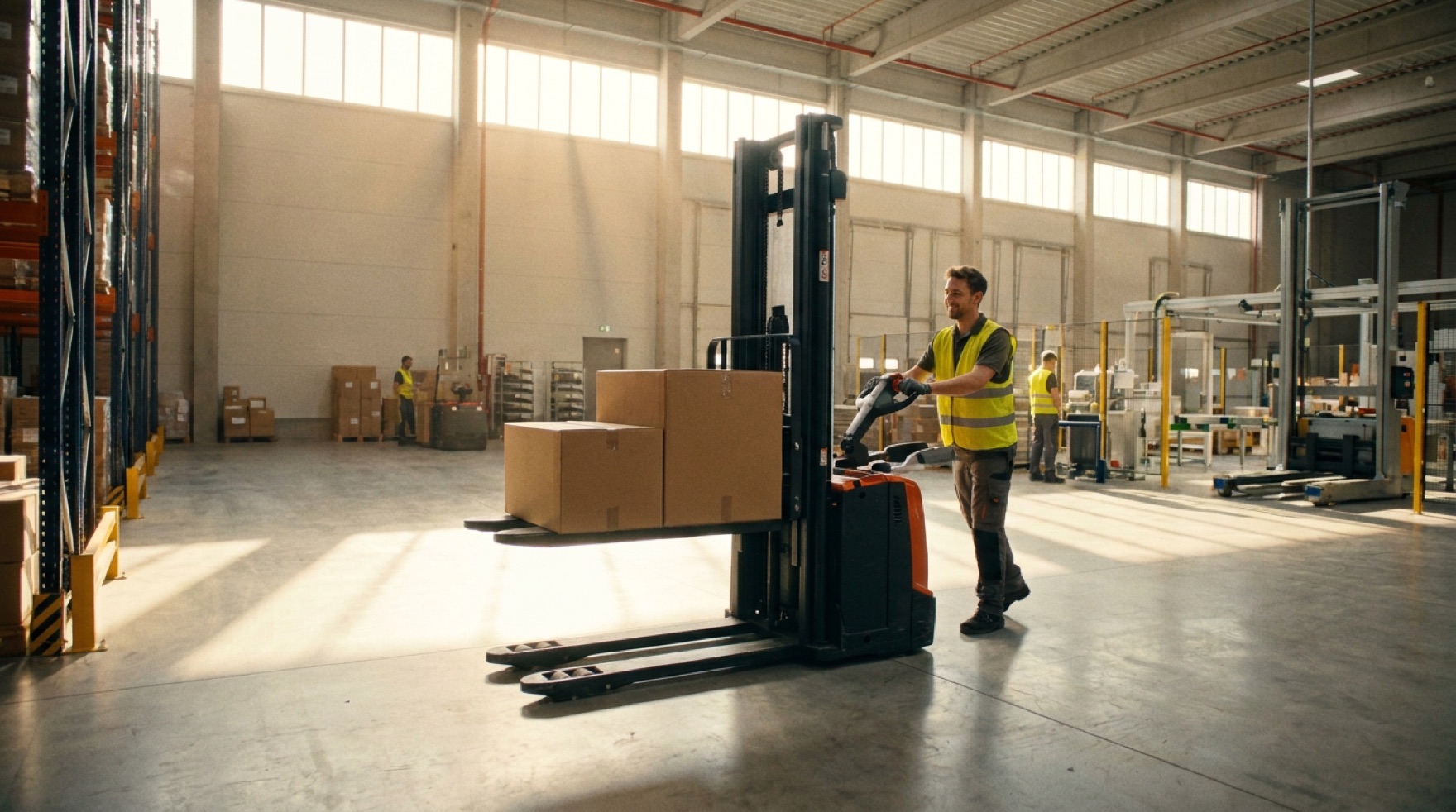 Case studyOrder Picking & Stocking
How One Plant Cut Its Strain Injury Rate Nearly in Half
6 min read PerspectiveAssembly & Subassembly
What a Safe Workplace Is Actually Worth
8 min read PerspectiveOrder Picking & Stocking
AI Safety Cameras: Where Computer Vision Actually Adds EHS Value
7 min read PerspectiveWelding, Cutting & Fabrication
Mental Health Belongs in the Safety Conversation
7 min read PerspectiveAssembly & Subassembly
5S: Workplace Organization That Prevents Injuries
4 min read- PerspectiveFacilities Maintenance
Turning Monthly Reports Into Management Engagement
3 min read  Case studyAssembly & Subassembly
Real-World Safety Success Stories and Their Lessons
3 min read- PerspectiveFacilities Maintenance
Making the Case for Safety Funding
2 min read  PerspectiveAssembly & Subassembly
Rewarding Good Safety and Boosting Engagement
2 min read ExplainerAssembly & Subassembly
Pain and Fatigue at Work: A Hidden Safety Risk
2 min read
Guidance for your line of work






Tools, templates and references
Templates
Editable lockout/tagout procedures, JSAs, permits and checklists to adapt to your site.
Interactive tools
Self-assess your safety program, or see which written programs and records may apply to your site.
Application guides
The main hazards in each type of work and the controls that address them.
Articles by hazard
Filter articles by hazard, from falls and machine guarding to fire, noise and ergonomics.
Frequently asked questions
Safety managers, EHS coordinators, supervisors and business owners, and anyone who handles safety alongside another role. You don't need an account to read the articles and application guides or to use the tools.
Go to the Resources page. You can download each template as an editable Word or Excel file, or fill in the online version and print it or save it as a PDF. Adapt each one to your site's hazards and the rules that apply before you use it.
Articles and application guides draw on regulators and standards bodies such as OSHA, NIOSH, CCOHS, CSA, ANSI and NFPA, and cite the sources they rely on so you can check them. Requirements differ between the US and Canada, between provinces, and in US states with their own OSHA-approved plans, so confirm which rules apply to your workplace.
Yes. The Safety Assessment and the Compliance Program Builder run in your browser, and you can repeat them as often as you like. The Builder keeps your progress in your browser so you can come back to it. Results support your program; they are not a compliance determination.
Guidance is organized by application, meaning a specific type of work, grouped into material handling, manufacturing, trades, service and clinical. The applications directory has the current list, and more are added over time.