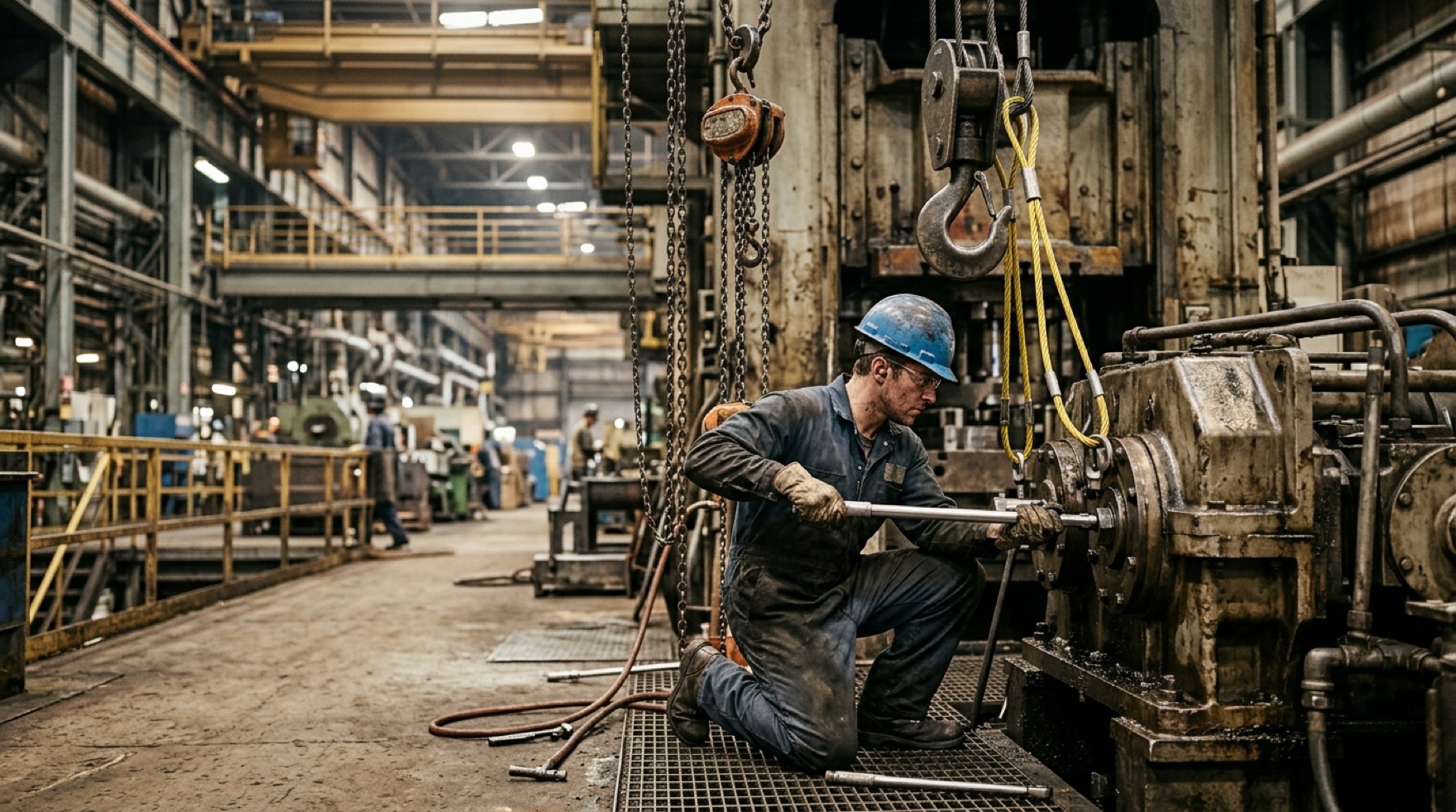
Industrial Machinery Maintenance
The machine that runs the plant is most dangerous the moment it is opened.
Industrial machinery maintenance means working inside and around the production equipment that normally has its guards on and its energy flowing. The defining hazard is stored and residual energy released during service, alongside access into guarded and confined spaces, the rigging of heavy components, and the electrical work that keeps the line running.
Production machinery is designed to run continuously with people kept out by guards and interlocks. Maintenance inverts that: the technician deliberately opens the machine, removes the guards, and puts hands where the design never intended them to go. The moment of highest risk is not operation but service, and the injuries come from unexpected motion or energy release, which is why lockout/tagout is the backbone of the trade.
The work adds access and handling hazards on top of the energy risk. Reaching into machine frames, climbing on equipment, and entering hoppers, mixers, and pits brings fall and confined-space exposure, and replacing heavy components means rigging and lifting loads overhead. Electrical work is constant, because so much of what fails is a motor, drive, or control. The practical program isolates and verifies energy before any reach, treats machine interiors and vessels as confined spaces when they qualify, and plans lifts before rigging a component.
The hazards, and the controls that move the needle
Ordered by the hierarchy of controls — eliminate and engineer first, then treat matting, footwear, and PPE as the layers that catch what remains.
Stored and residual hazardous energy
Servicing exposes technicians to mechanical, hydraulic, pneumatic, and electrical energy that can move the machine without warning. Unexpected startup or stored-energy release causes the crush and amputation injuries that define maintenance risk.
- Apply machine-specific lockout/tagout before any service
- Isolate, lock, tag, and verify a zero-energy state
- Discharge or block stored mechanical and pressure energy
- Use group lockout and shift-handoff continuity
- Audit energy-control procedures on a schedule
Machine access and point-of-operation contact
Maintenance requires removing guards and reaching into the point of operation and transmission parts. With the machine opened, the protection that keeps operators safe is gone.
- Verify zero energy before removing guards or reaching in
- Block components that could move under gravity
- Replace and verify all guards before returning to service
- Use tools and supports to keep hands out of pinch points
- Test-run and confirm safeguards after reassembly
Confined-space entry into vessels and pits
Hoppers, mixers, tanks, and pits qualify as confined spaces with atmospheres that can be oxygen-deficient or toxic. An atmosphere is oxygen-deficient below 19.5 percent oxygen.
- Identify and label permit-required confined spaces
- Lock out feeds and agitators before entry
- Test the atmosphere before and during entry
- Ventilate and use an entry permit, attendant, and rescue plan
- Never enter to rescue without proper equipment
Rigging and overhead-load handling
Replacing motors, gearboxes, and rolls means rigging and lifting heavy components, sometimes overhead. A failed rig or an unbalanced load causes crushing struck-by injuries.
- Plan the lift and select rated slings and hardware
- Inspect rigging before use and remove damaged gear
- Keep workers clear of and never under a suspended load
- Use tag lines and trained signalers for crane lifts
- Set and block components before releasing the rig
The programs that anchor the floor
Lockout/tagout as the default
Every service task that exposes a technician to hazardous energy starts with isolate, lock, tag, and verify. The machine is opened only after zero energy is confirmed, because the design's guards are gone the moment maintenance begins.
Confined-space entry program
Vessels, hoppers, and pits are treated as permit-required spaces when they qualify, with feeds locked out, the atmosphere tested, and an attendant and rescue plan in place. Entry on assumption is how confined-space fatalities happen.
Lift and rigging planning
Heavy-component work is planned as a lift, with rated gear, inspection, and a clear zone under the load. Setting and blocking the component before releasing the rig closes out the struck-by risk.
In-depth guidance
View all 2 →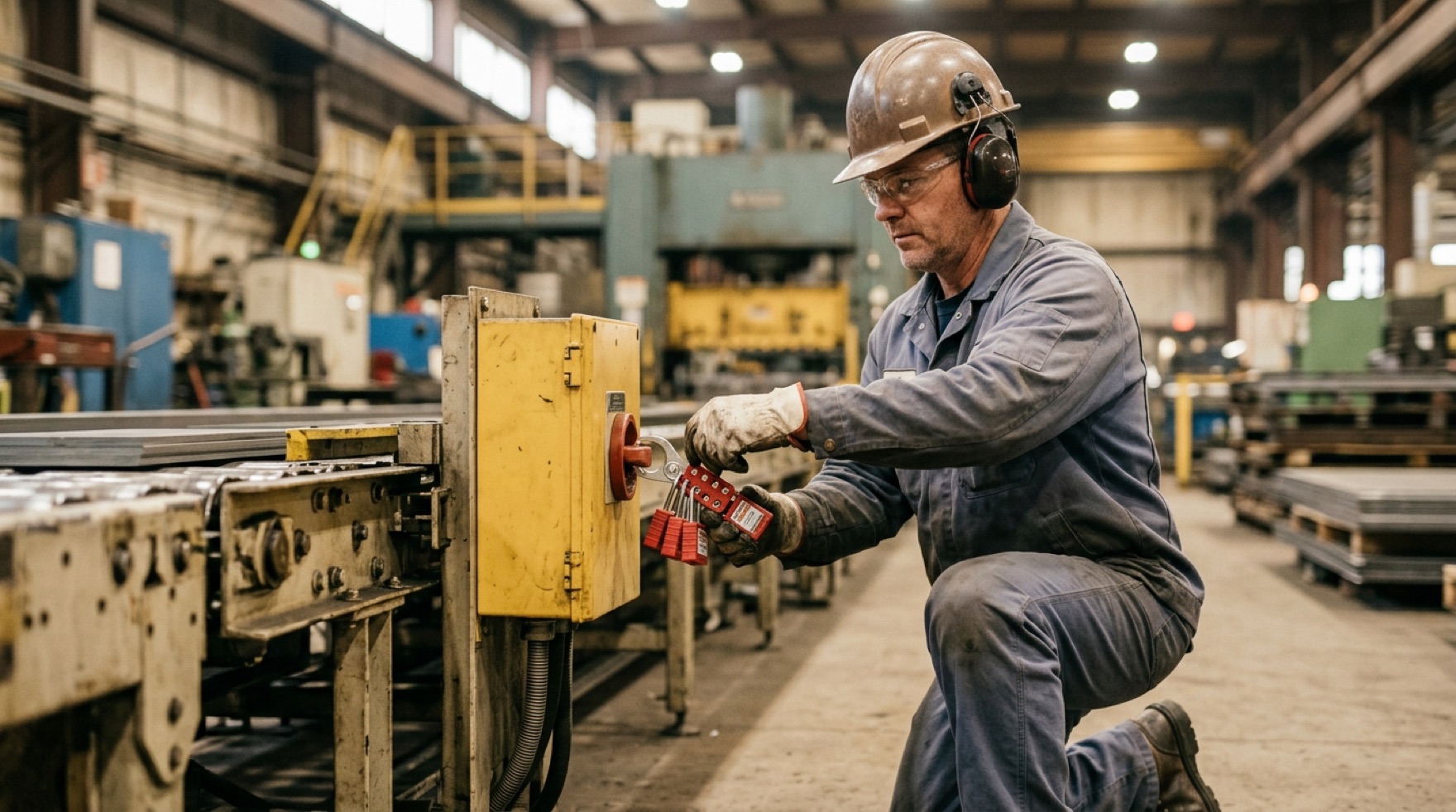
Group Lockout & Stored-Energy Control for Millwrights
When a maintenance crew tears into a machine together, one personal padlock is not enough. 29 CFR 1910.147(f)(3) requires a group procedure that gives each millwright protection equivalent to their own lock, and the standard's stored-energy and verification steps are what stop a machine that reads as off from moving anyway. Here is how group lockout, stored energy, and zero-energy verification fit together.
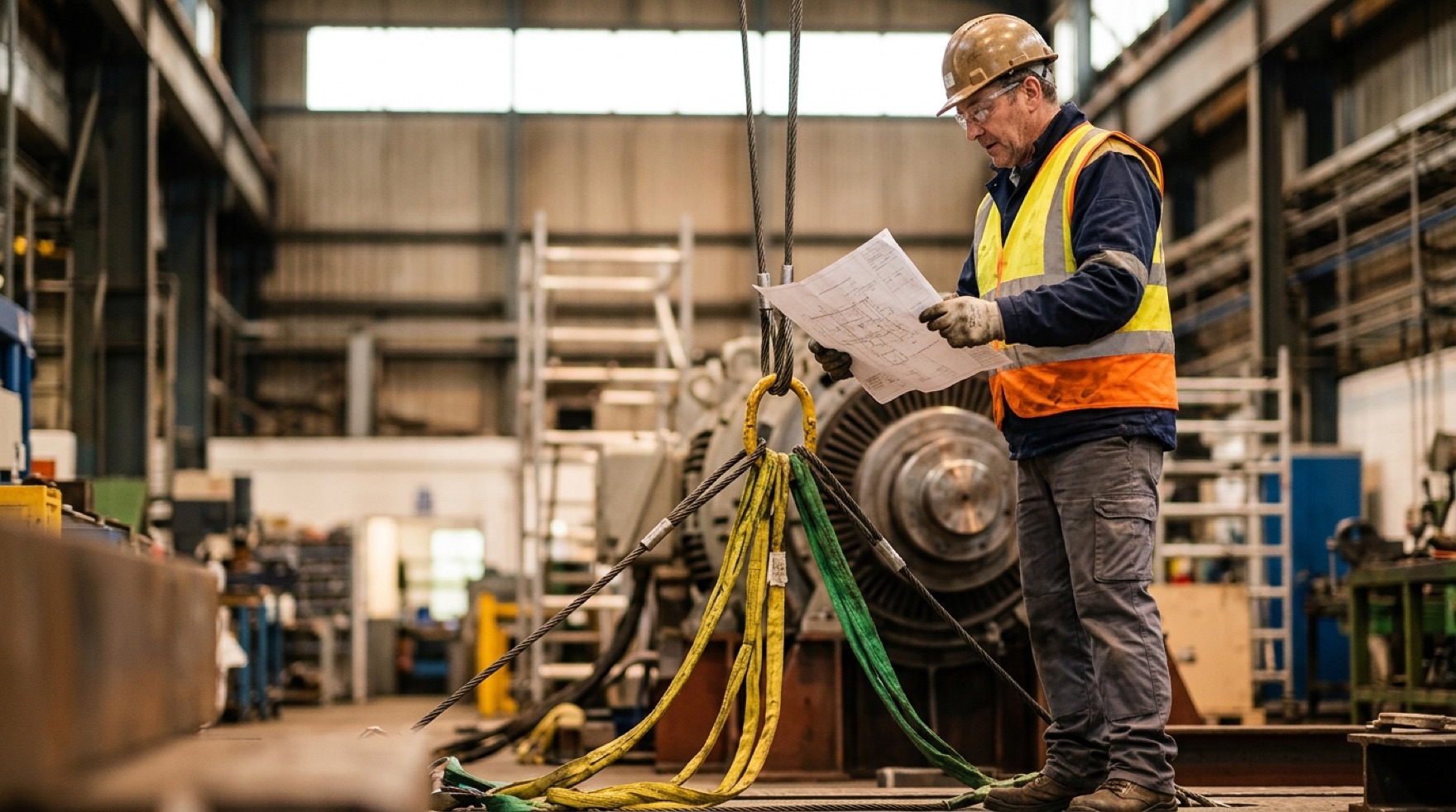
Rigging & Lift Plans for Machinery Maintenance
Setting a gearbox, a motor, or a die with an overhead crane is a routine part of machinery maintenance, and it is also where a suspended load can drop or swing onto the crew below. OSHA's sling rules in 29 CFR 1910.184 are enforceable, and ASME B30 lift-plan practice is the consensus layer on top. This is the lift plan and pre-lift rigging check, item by item.
Maintenance hazard self-assessment
Check your energy-control, machine-access, confined-space, and rigging practices against the machinery-maintenance hazard pattern.
Start the assessment →Machinery maintenance guides
Practical guidance on lockout/tagout, confined-space entry, and rigging for maintenance teams.
Browse the guides →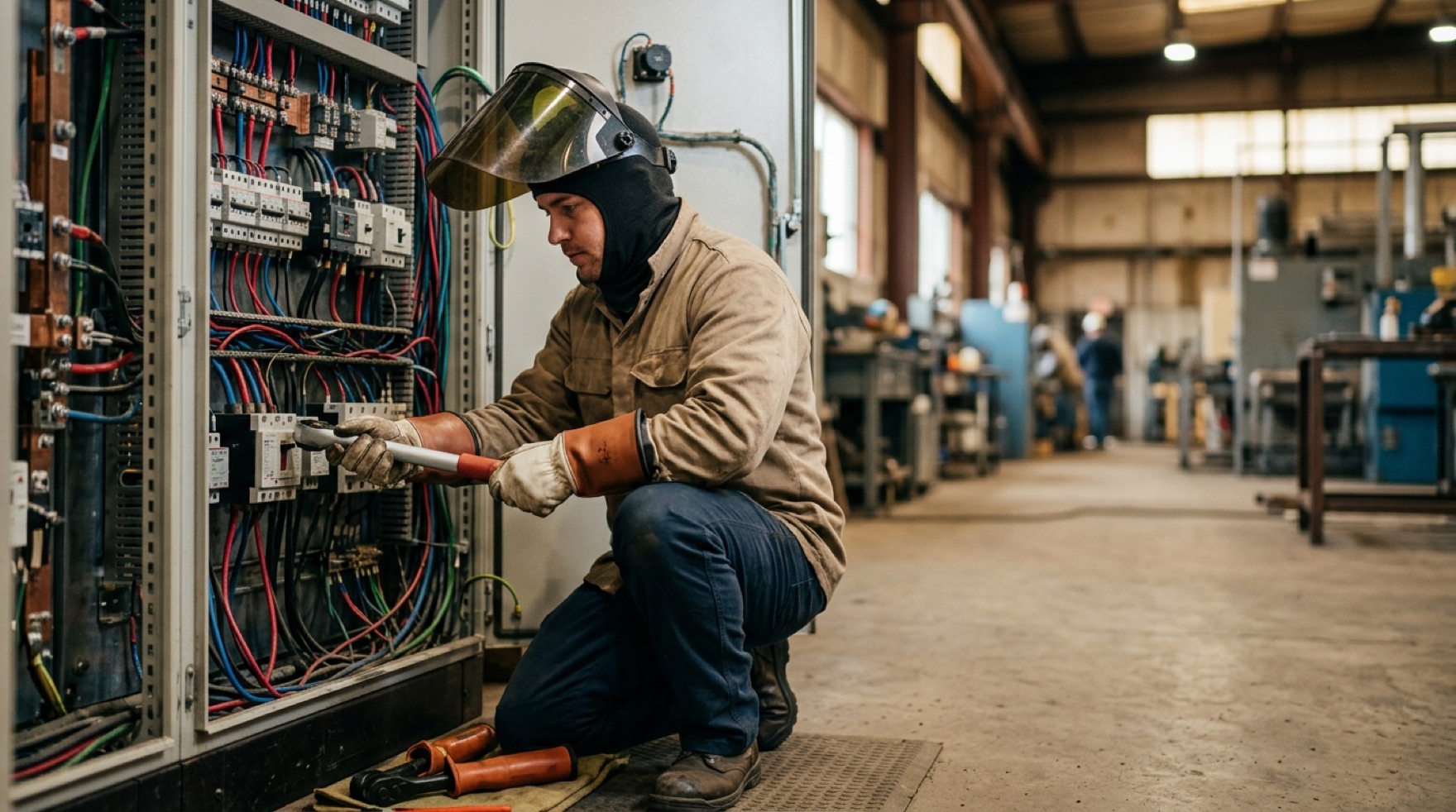
Stay ahead of safety.
New articles, free templates, and regulatory updates in your inbox. No spam — unsubscribe anytime.