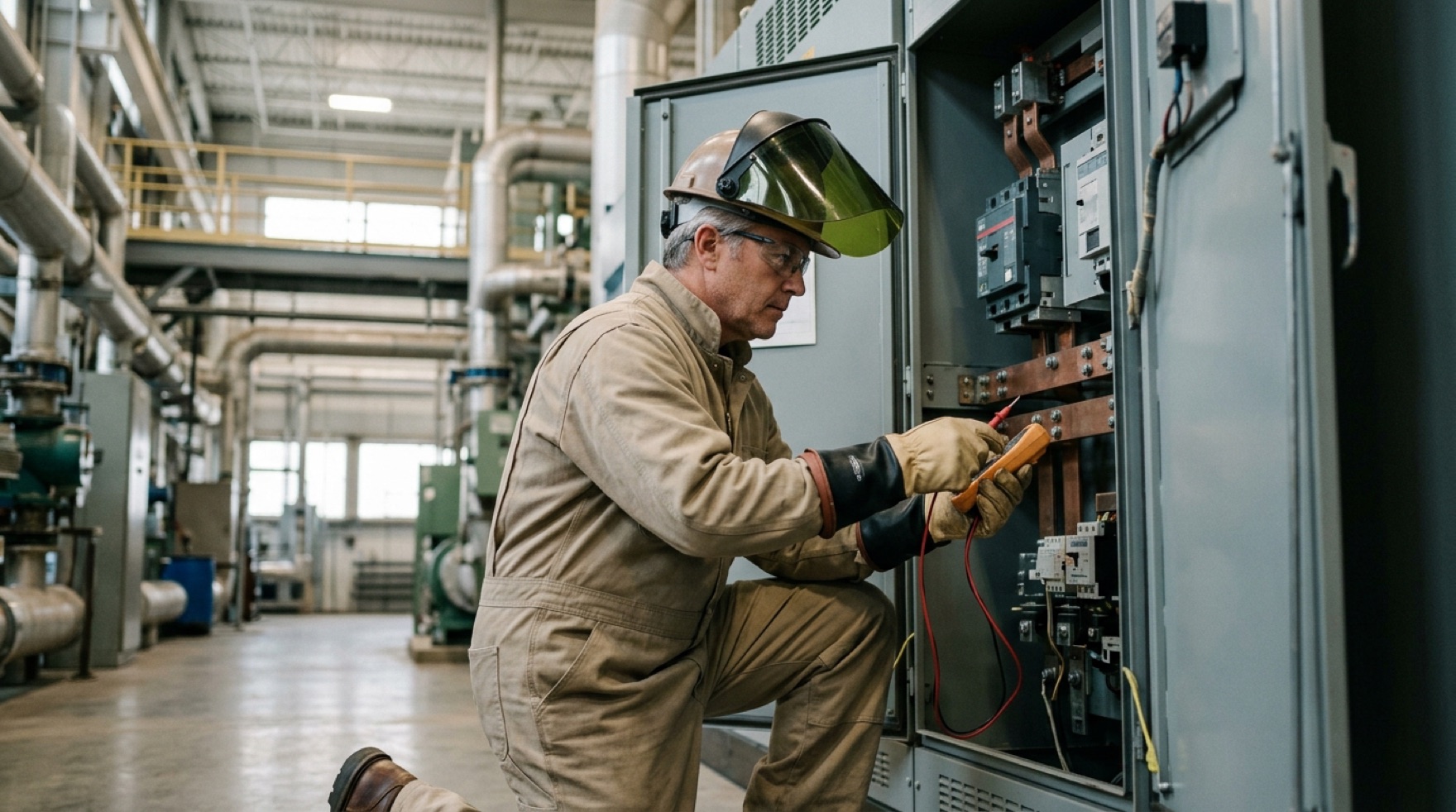
Shocks, burns, electrical fires, and electrocutions are serious hazards for workers, particularly if they’re assembling circuits or working in proximity to power lines. In this article, we’ll explore the most common types of electrical hazards as well as the safety measures that can be taken to eliminate or minimize them.
Types of Electrical Hazards
OSHA highlights a few common electrical incidents in their Construction eTool. The first is coming into contact with power lines, overhead or buried, which often carry an extremely high voltage. Typically, such contact occurs when workers are using:
Equipment, such as backhoes, cranes, or the raised bed of a dump truck;
Tools, such as paint rollers, concrete finishing floats, and metal ladders or scaffolds.
The second electrical incident is a lack of ground-fault protection. This is particularly important in workplaces where electrical equipment receives heavy use, such as construction. As a result, the wear and tear can lead to exposed wires, short circuits, and insulation breaks – which, without a ground fault, could send a current through a worker’s body.
Similarly, if the “path to ground” is missing or broken on electrical equipment, the work area is unsafe, and a fault current could harm a worker. This could occur if the ground pin on a plug is removed so it can fit into an ungrounded outlet. Other misuses of equipment can also cause injury, such as using indoor equipment outdoors or using modified or fabricated cords.
Safety Measures
OSHA’s Controlling Electrical Hazards publication highlights that “most electrical accidents result from… unsafe equipment or installation, unsafe environment, or unsafe work practices.” As such, the “[electrical] standards cover only the exposed or operating elements of an electrical installation… requiring that they be constructed and installed to minimize workplace electrical dangers.”
Such dangers can be minimized by using,
Insulation (such as glass, mica, rubber, or plastic) to coat metals to reduce or stop an electrical current;
Guarding (such as enclosures, permanent screens, or elevated platforms) to prevent workers from contacting live electrical parts, as well as to limit access to only qualified workers;
Grounding to prevent the buildup of voltage that might otherwise harm workers. This is done by creating a “low-resistance path that connects to the earth,” but is best seen as a secondary protective method since it doesn’t guarantee that shocks won’t occur.
Additionally, workplace practices can provide safety from electrical hazards, such as,
De-energizing electrical equipment (such as buried or overhead lines) and completing zero energy verification before work is conducted;
Regularly inspecting electric equipment to ensure it has been properly maintained and is safe for use;
Using appropriate protective equipment (such as rubber insulating gloves, hoods, sleeves, and matting) to ensure that workers are still protected even if accidental contact occurs;
Worker training is also key to minimizing accidental electrical harm, such as by staying a safe distance away from hazards and using non-conductive wood or fiberglass equipment if they are working near a live powerline.
While all workers must be familiar with the safety-related work practices covered in OSHA’s electrical standard, workers who are qualified to work on or near exposed energized parts must additionally be able to “distinguish exposed live parts from other parts of electric equipment,” “determine the nominal voltage of exposed live parts,” and determine “the clearance distances… and the corresponding voltages to which the qualified person will be exposed.”
To ensure that accidental or unexpected equipment startup doesn’t occur, implementing a lockout/tagout procedure is also essential. This will ensure that electrical equipment is de-energized before workers can begin inspecting or repairing it, while also “tagging” the switch or controls to communicate to others that the equipment is actively being worked on and must not be re-energized.