Automotive Service
Exhaust in the bay, a vehicle overhead, and now high voltage under the floor.
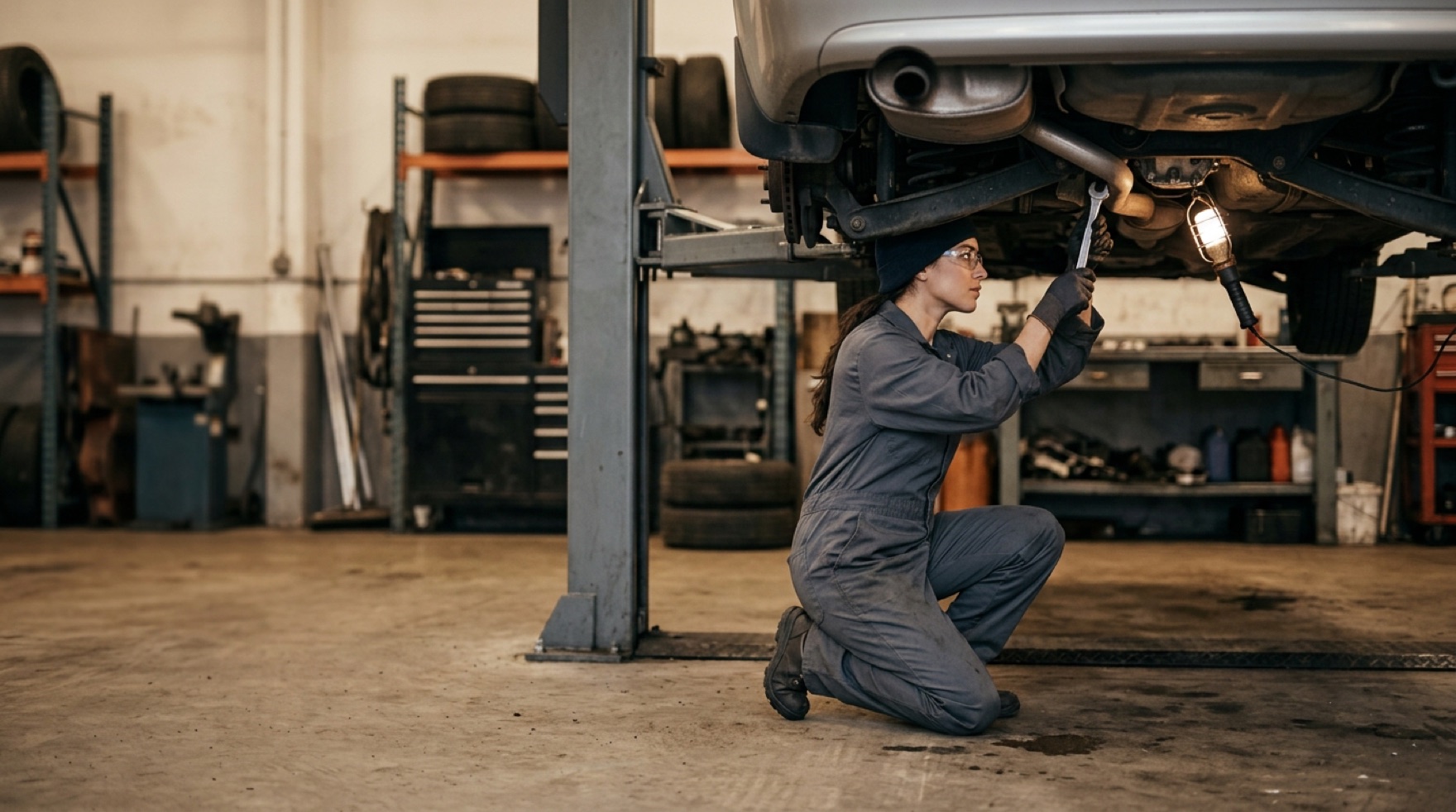
Automotive service combines carbon monoxide from running engines in enclosed bays, the struck-by and crush risk of vehicles on lifts, and a range of chemical exposures from solvents to brake dust. Increasingly it also involves high-voltage electric-vehicle systems, which add an electrical hazard the trade did not have a decade ago.
The service bay concentrates several hazards into a small, busy space. Running engines produce carbon monoxide that accumulates in enclosed shops, where the OSHA permissible exposure limit is 50 ppm as an 8-hour time-weighted average, so exhaust extraction and ventilation are basic infrastructure. Vehicles raised on two-post and four-post lifts create a struck-by and crush hazard if the lift points are wrong or the vehicle is unbalanced, and a dropped vehicle is a catastrophic event.
Chemistry runs through the whole job. Solvents, fuels, oils, and cleaning chemicals expose skin and airway, and older brake work can involve dust that must be handled to control exposure. The newest hazard is electrical: hybrid and electric vehicles carry high-voltage battery systems and orange service cabling that require the vehicle to be de-energized and the technician insulated before service. The practical program ventilates the exhaust, disciplines the lift, controls the chemistry, and treats high-voltage work as electrical work under NFPA 70E.
The hazards, and the controls that move the needle
Ordered by the hierarchy of controls — eliminate and engineer first, then treat matting, footwear, and PPE as the layers that catch what remains.
Carbon monoxide from running engines
Engines run indoors during diagnosis and service release carbon monoxide that accumulates in enclosed bays. The OSHA permissible exposure limit is 50 ppm as an 8-hour time-weighted average.
- Connect tailpipe exhaust extraction for any indoor running
- Provide and maintain general bay ventilation
- Monitor carbon monoxide in enclosed shops
- Limit unnecessary engine running indoors
- Train technicians on carbon monoxide symptoms
Struck-by and crush from lifted vehicles
A vehicle on a lift can fall if lift points are wrong, the vehicle is unbalanced, or the lift is defective. A dropped vehicle is a crushing, potentially fatal event.
- Set lift points per the manufacturer and verify balance
- Engage safety locks once the vehicle is raised
- Inspect and maintain lifts on a schedule
- Keep the area under a raised vehicle clear
- Use stands and blocking as secondary support
High-voltage electric-vehicle systems
Hybrid and electric vehicles carry battery systems at hundreds of volts through orange service cabling. Contact during service can cause fatal shock, so the vehicle must be de-energized and the technician insulated.
- Follow the manufacturer's high-voltage disable procedure
- Verify the system is de-energized before service
- Use insulated gloves and tools rated for the voltage
- Treat high-voltage service as electrical work under NFPA 70E
- Restrict high-voltage work to trained technicians
Solvent, fuel, and chemical exposure
Solvents, fuels, oils, and cleaning chemicals expose the skin and airway throughout the service day. Dermatitis, inhalation, and fire risk follow from routine handling.
- Substitute lower-hazard solvents and parts cleaners
- Provide ventilation at cleaning and fuel-handling points
- Supply chemical-resistant gloves and skin protection
- Store and handle flammable fuels to control ignition
- Maintain safety data sheets and train under the HazCom standard
The programs that anchor the floor
Exhaust extraction and ventilation
Any engine run indoors is connected to tailpipe extraction, and the bay is ventilated and monitored. Carbon monoxide is odorless and accumulates quietly, so the control is engineering, not awareness.
Lift discipline
Correct lift points, engaged safety locks, and maintained equipment keep a raised vehicle where it belongs. Secondary support with stands protects against the catastrophic outcome of a lift failure.
High-voltage EV service procedure
Electric and hybrid service follows the manufacturer's disable procedure, verifies de-energization, and uses rated insulation. High-voltage work is treated as electrical work under NFPA 70E, restricted to trained technicians.
In-depth guidance
View all 3 →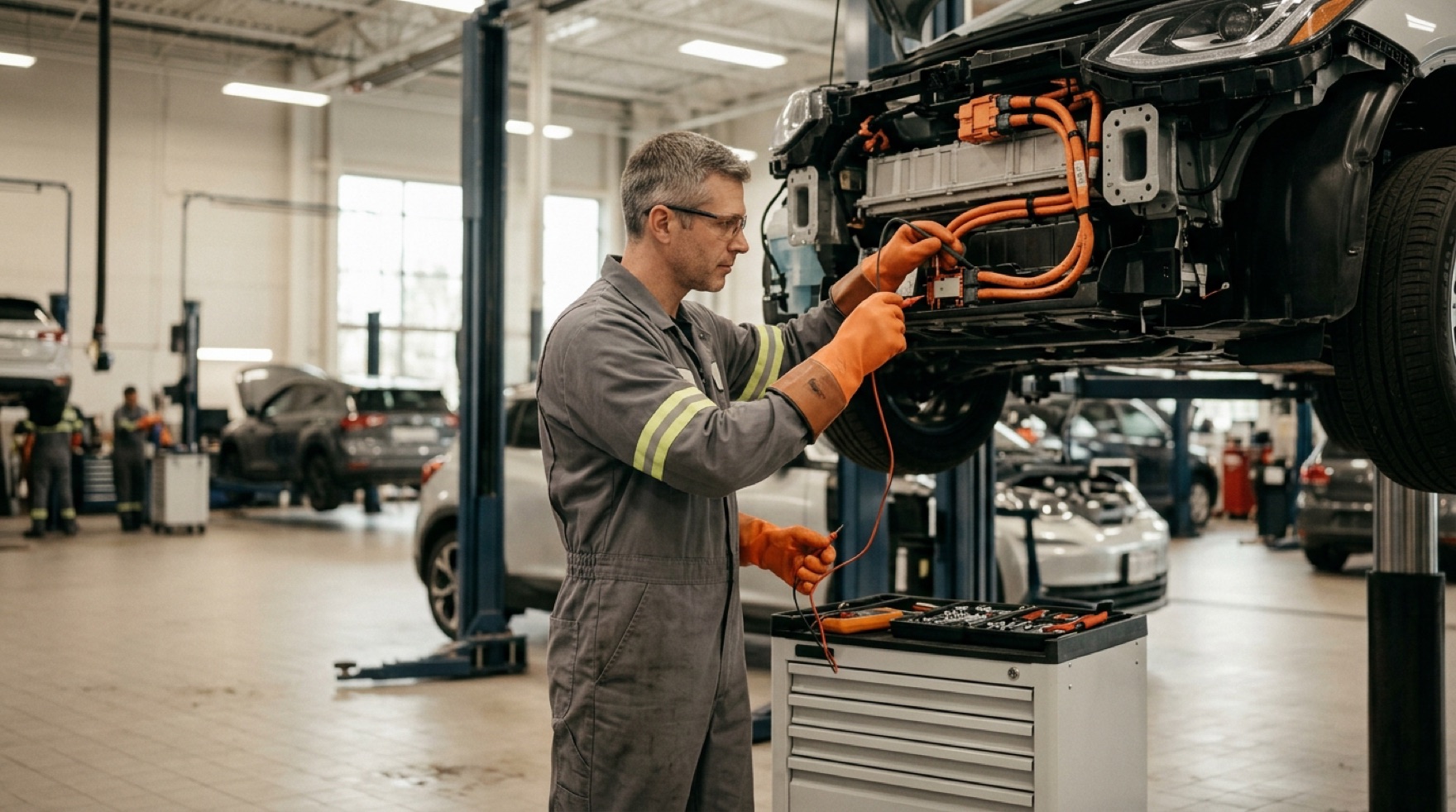
High-Voltage Safety Servicing EV & Hybrid Vehicles
An electric or hybrid vehicle carries a battery system running at several hundred volts, enough to be fatal, behind cables the industry marks in orange. Servicing it safely is an electrical job before it is an automotive one: de-energize through the service disconnect, verify the system is dead with a meter, and work with rated insulating gloves. Here is how OSHA's electrical work-practice rules and NFPA 70E apply in the service bay.
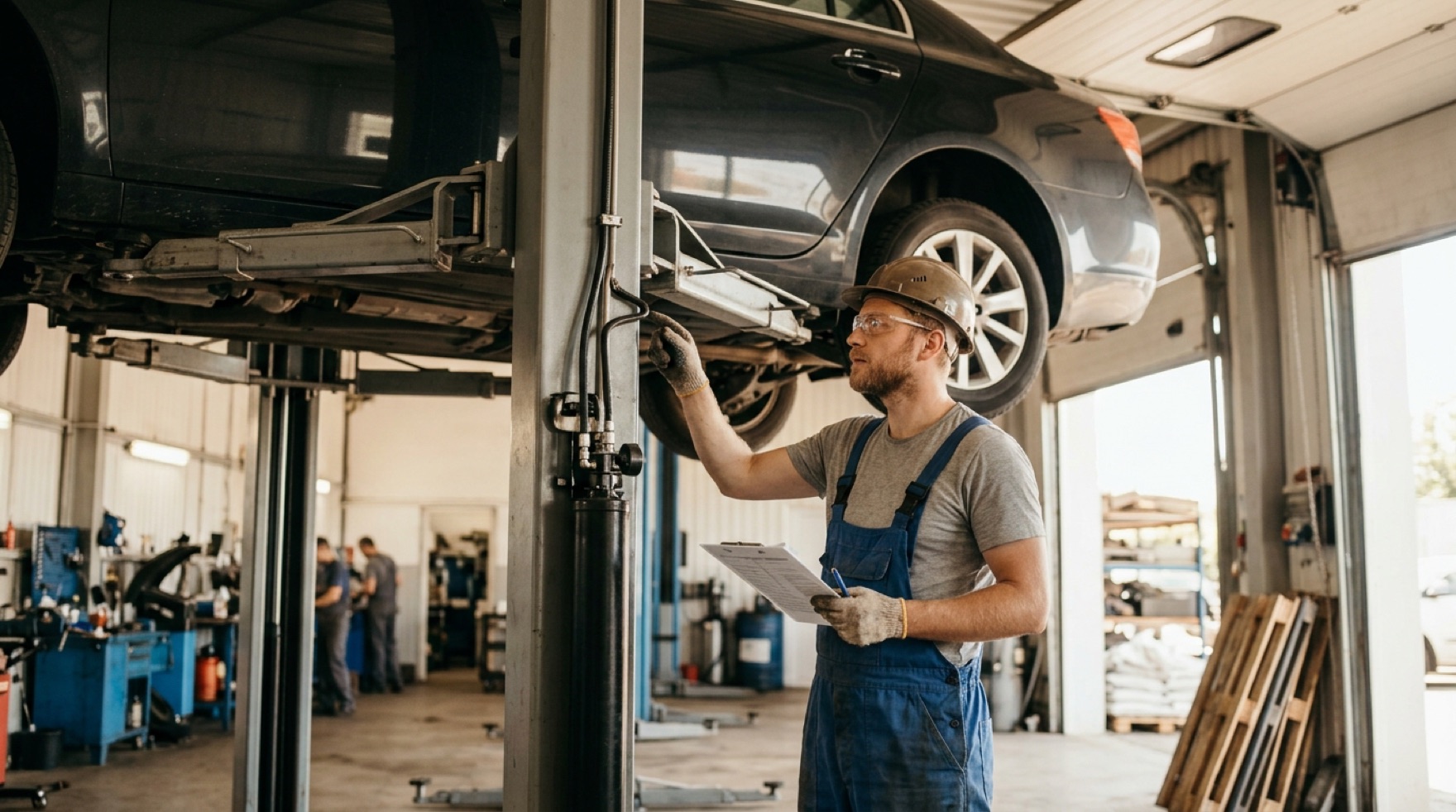
Vehicle Lift Safety & Inspection (ANSI/ALI ALCTV)
A vehicle on a lift is tons of steel held several feet overhead while a technician works beneath it. The controls that keep it there are the right lift for the vehicle, arms set on the manufacturer's lift points, a daily pre-use check, and an annual inspection by a qualified inspector. Here is what the ANSI/ALI standards require, as a working checklist.
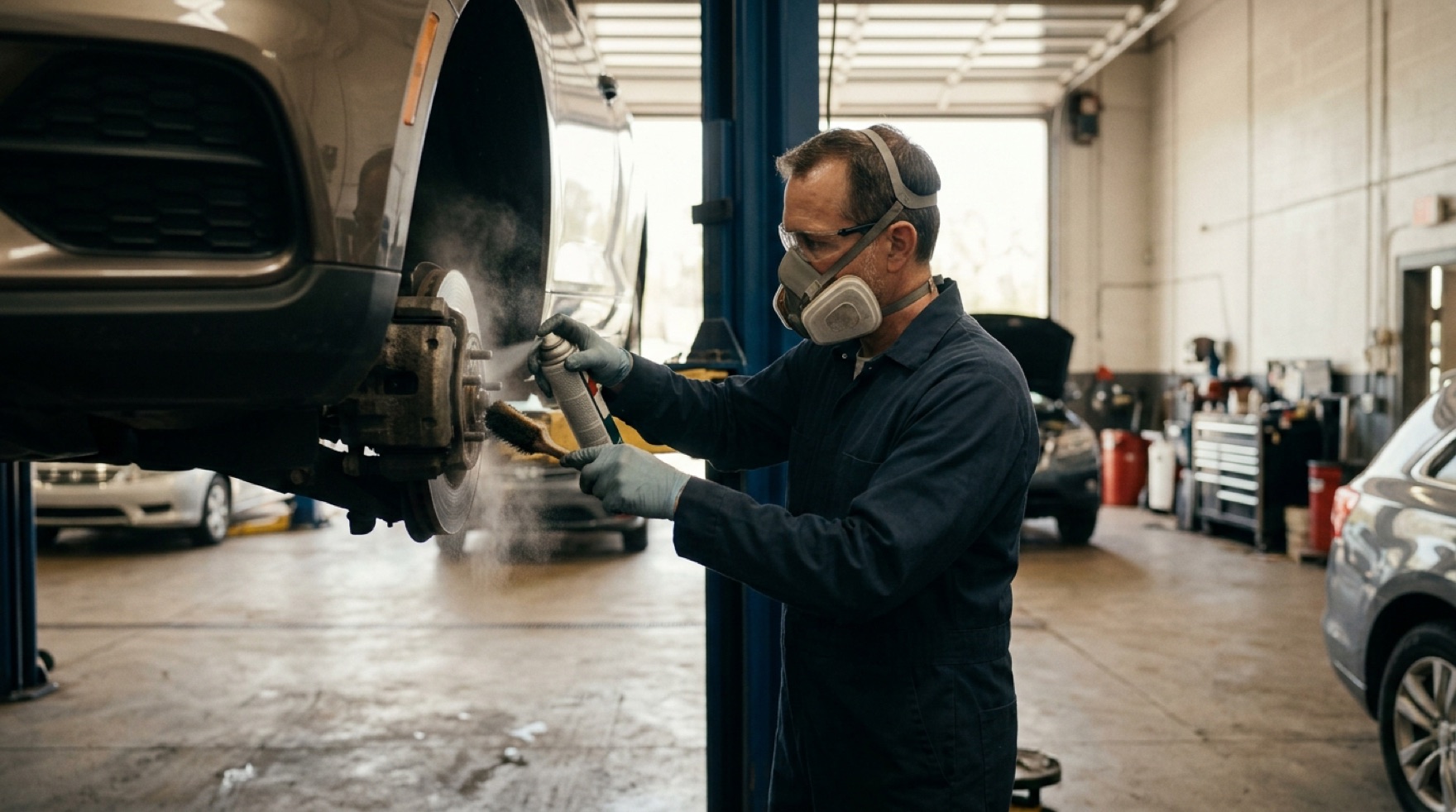
Brake Dust & Solvent Exposure in the Service Bay
Most brake pads sold today are non-asbestos, but you cannot tell asbestos-containing friction material from safe material by looking, and legacy vehicles and some aftermarket parts still carry it. That is why OSHA's asbestos standard sets mandatory work practices for every brake and clutch job. Add the solvents in brake cleaners and parts washers, and the service bay has two exposures worth controlling.
Service-bay self-assessment
Check your exhaust ventilation, lift discipline, chemical controls, and EV procedures against the service-bay hazard pattern.
Start the assessment →Automotive service guides
Practical guidance on carbon monoxide control, lift safety, and high-voltage EV service.
Browse the guides →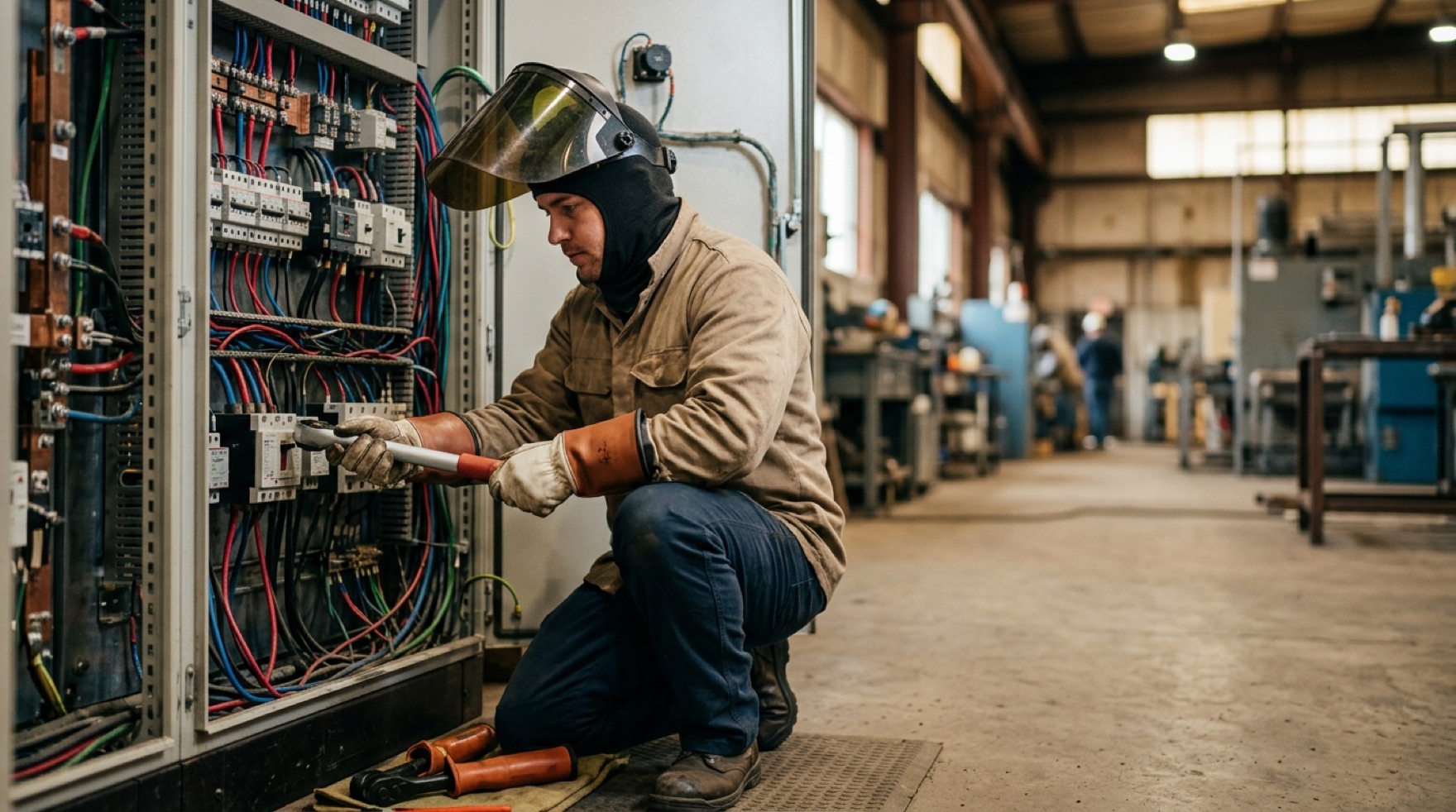
Stay ahead of safety.
New articles, free templates, and regulatory updates in your inbox. No spam — unsubscribe anytime.