Safety success stories offer valuable insights into how safety initiatives can positively impact workplaces across industries. They present real-world instances of how taking proactive steps can increase productivity, enhance worker wellbeing, and reduce injuries. These examples also show the return on investment (ROI) of safety initiatives for safety managers. Reduced injury rates, increased efficiency, and improved employee morale are clear indicators that investing in safety pays off, offering you a compelling argument for gaining senior management support for new programs or equipment.
EHS experts like you are already familiar with critical components of workplace safety, such as the significance of preventative measures, the role of human factors and ergonomics in harm reduction, and the effectiveness of rewarding safe behavior in engaging employees. However, real-world success stories provide more than simply validation; they offer inspiration and useful examples that can be applied to improve safety outcomes.
One example involves a California manufacturer that saw significant improvements by focusing on small changes such as greater communication and employee involvement. This demonstrates how incremental changes can lead to major advancements, highlighting the power of starting small. Similarly, a Texas manufacturer turned to the OSHA On-Site Consultation Program (OSHCON) to strengthen its root cause analysis and achieve SHARP status. The program increased incident reporting, boosted employee engagement, and contributed to reduced injury rates, proving the value of external advice and support. Another enticing example is Heineken Brazil, which adopted the SafeStart behavior-based safety program to reduce incidents by 70% in just two years. Training over 1,200 workers across the country, Heineken’s story underscores how focused, behavior-driven programs can have a dramatic impact. These success stories, from companies spanning various industries and regions, illustrate that meaningful safety improvements can be achieved with the right strategies.
Safety is also becoming increasingly significant in nontraditional work environments. With the rise of remote and hybrid workforces, companies face new challenges concerning indoor air quality, ergonomic issues in home offices, and digital eye strain. Addressing these concerns extends workplace safety to remote workers, promoting well-being and productivity regardless of where they work.
The key takeaway from these stories is that small, feasible changes can lead to substantial safety gains. Whether through behavior-based programs, external examinations, or improved communication, small steps can have an immense effect on workplace safety. EHS professionals can apply these examples to drive tangible improvements in their own organizations, knowing that each small adjustment contributes to a broader safety culture.
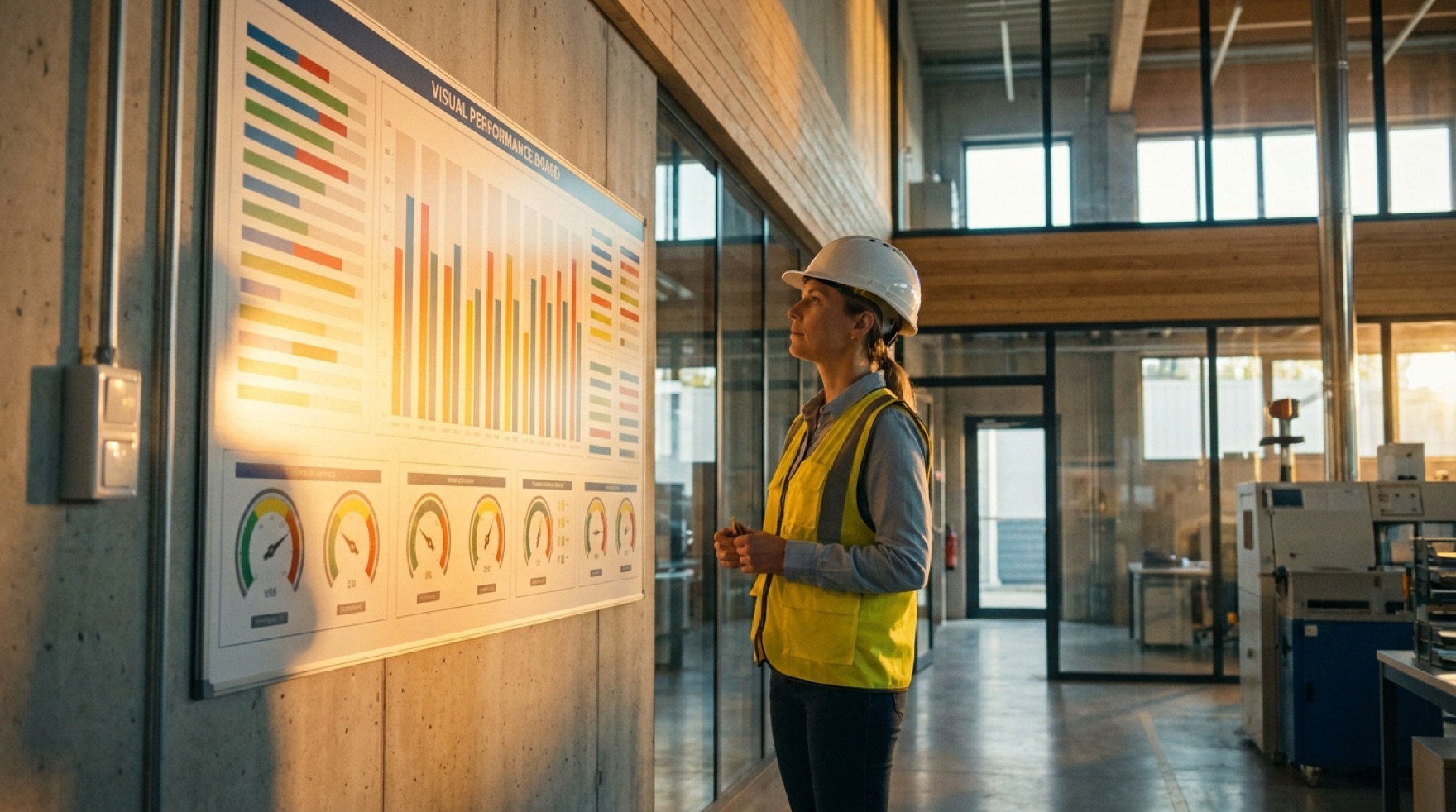
There are several actionable steps for EHS professionals to implement. Focusing on ergonomics is an essential step, not only for injury prevention but also for enhancing worker well-being and productivity. Ergonomic assessments, as well as the introduction of technologies such as anti-fatigue matting, can help to reduce strain and increase job satisfaction. Another important step is to track and share safety metrics on a regular basis within the organization, which encourages accountability and keeps employees engaged in safety initiatives.
Further, external resources like OSHCON offer valuable guidance to reveal hidden risks and improve safety systems, while behavior-based programs such as SafeStart can reduce incidents by addressing the human element of safety. Finally, expanding safety protocols to accommodate remote workers helps ensure safety standards are maintained, regardless of the work environment.
By learning from real-world safety success stories, EHS and safety professionals can drive meaningful change in their organizations. It is important to take note of other companies’ practices to reap the long-term benefits of creating a safer, more productive work environment. Whether starting with small adjustments or launching larger safety programs, the key is continuous improvement for the benefit of both workers and the organization.
https://safestart.app.box.com/s/k68t63y7dsyuipdzsfo5lri7vrnbfsn2