The 5S system, originating from Japan's lean manufacturing practices, offers an efficient approach to workplace organization. Defined by the pillars of Sort, Set in Order, Shine, Standardize, and Sustain, 5S provides a structured methodology for organizing, cleaning, developing, and maintaining a productive work environment. According to the Environmental Protection Agency (2023), while primarily associated with productivity and operational efficiency, 5S also significantly impacts workplace safety. Integrating 5S into daily operations not only streamlines processes but also reduces the risk of accidents and injuries, fostering a safer work environment.
The Safety Benefits of Each 5S Pillar
Each of the 5S pillars overlaps with occupational health and safety in some form.
Sort: Removes items from the workspace that are not required for current operations, directly reducing clutter and potential trip hazards.
Set in Order: Promotes the organization of items in a manner that enhances ease of use and minimizes reaching, bending, and other unsafe movements.
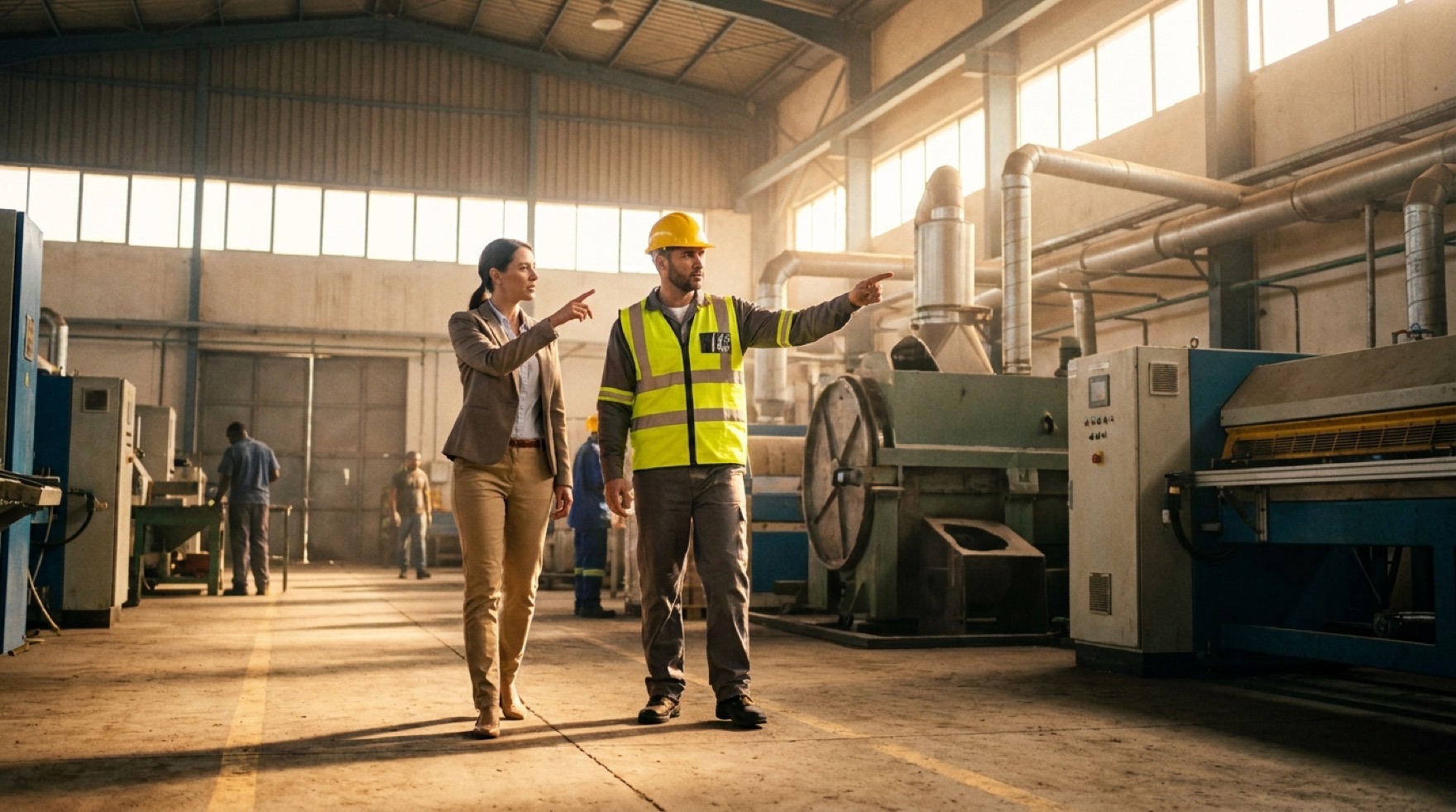
Shine: Involves regular cleaning and maintenance, crucial for identifying and addressing potential safety hazards such as spills or worn-out equipment.
Standardize: Ensures that sorting, setting in order, and shining practices are consistently applied across the workplace.
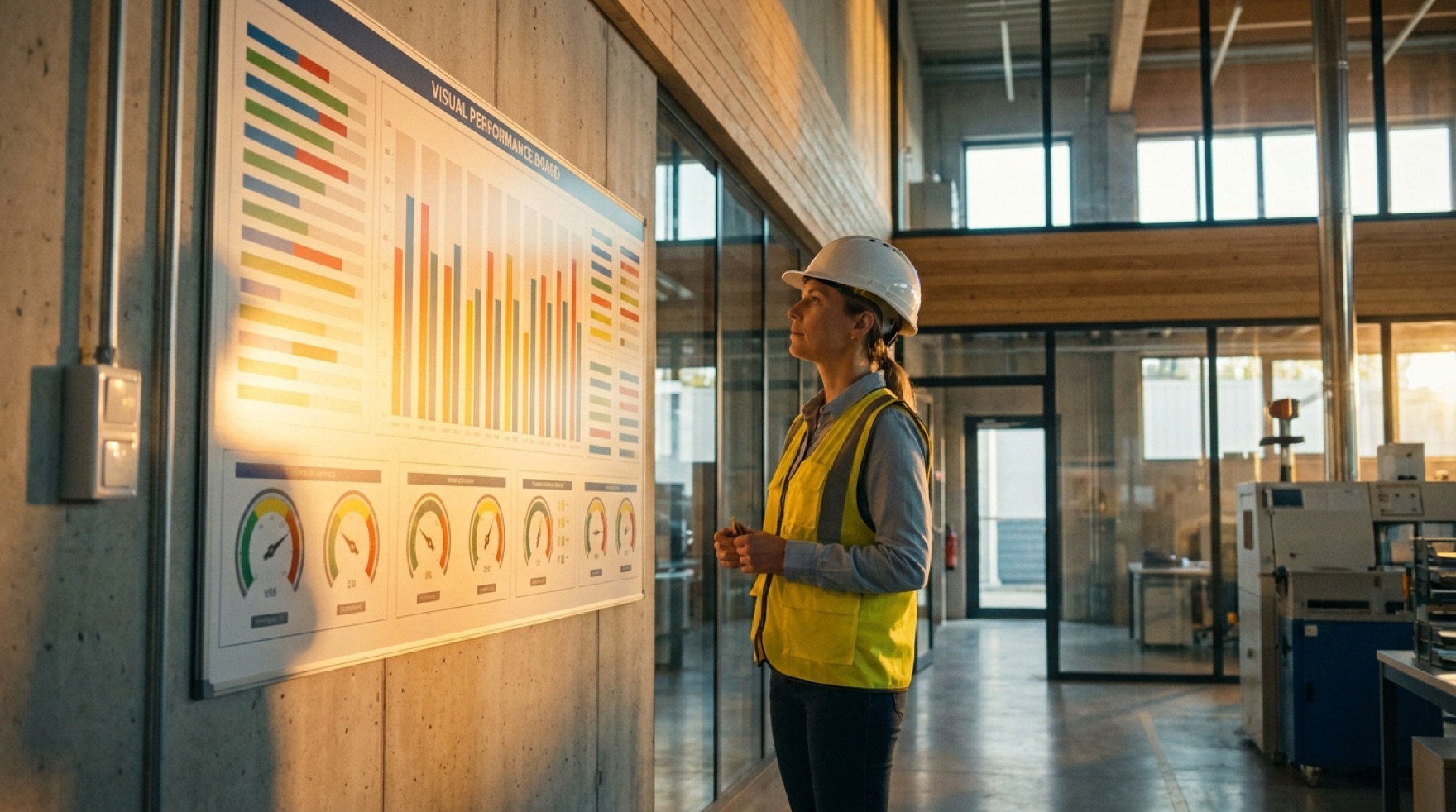
Sustain: Focuses on maintaining and improving the 5S practices over time, thereby creating and developing a culture of continuous safety improvement.
The Safety Benefits of Each 5S Pillar
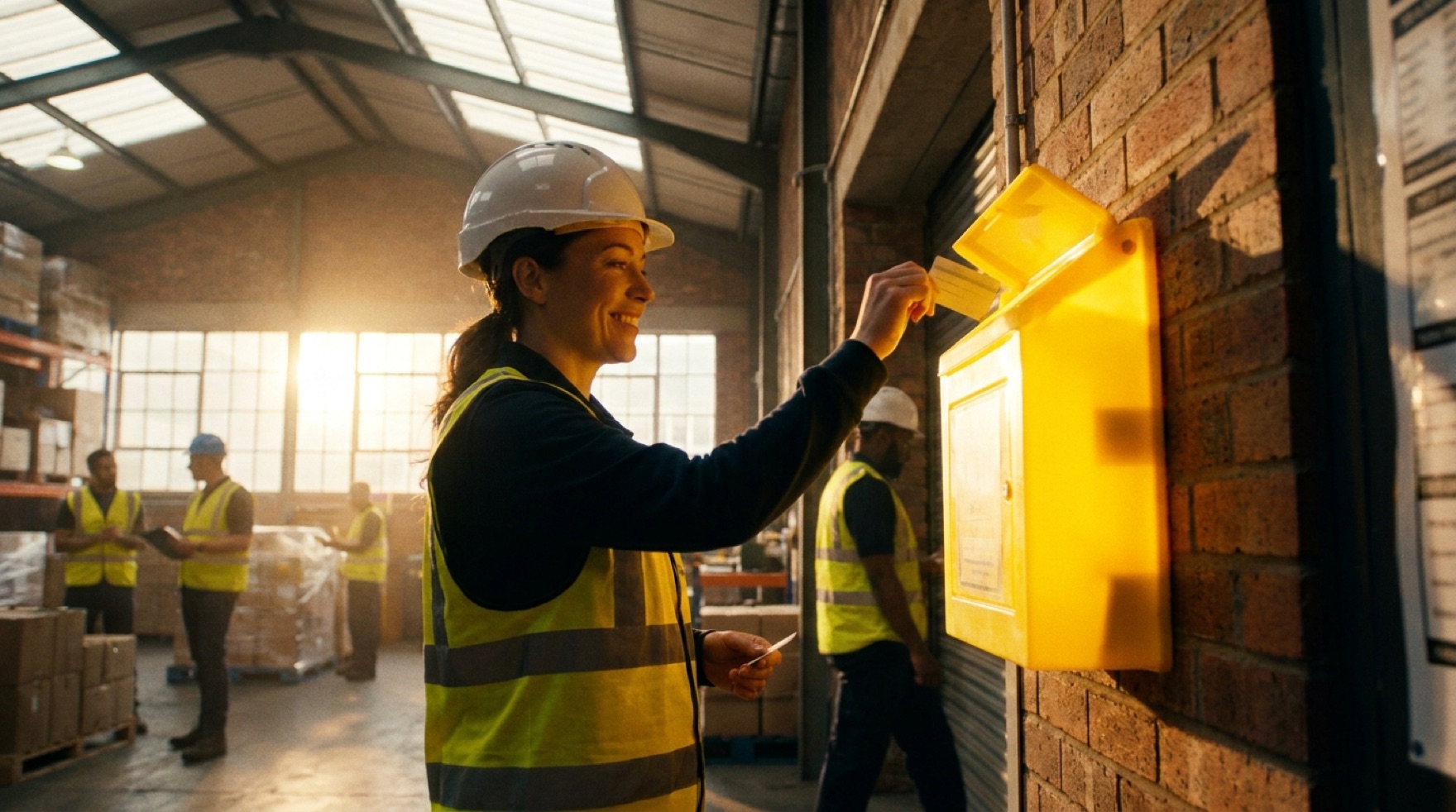
The final pillar of 5S, 'Sustain', is vital for engraining a long-lasting and self-sufficient safety culture within a business. While the initial implementation of 5S helps establish order, cleanliness, and efficiency, sustaining these practices ensures that safety improvements are continually reinforced and built upon. By encouraging employee feedback, and fostering leadership involvement, businesses can create a cycle of continuous safety improvement. When leaders actively follow and promote 5S alongside other safety initiatives, it shows employees that safety is a core organizational value, not just a compliance requirement. This approach empowers employees to take ownership of safety, reinforcing it into their actions in the workplace. Over time, the sustained application of 5S contributes to a workplace where safety becomes second nature, leading to a more engaged and safety-conscious workforce.
The 5S system, originating from Japan’s lean manufacturing practices, is an efficient approach to workplace organization. Standing for Sort, Set in Order, Shine, Standardize, and Sustain, the 5S pillars provide a methodology for organizing, cleaning, developing, and sustaining a productive work environment (Environmental Protection Agency, 2023). While 5S is typically associated with productivity and operational efficiency, it has an equally important relation and impact on workplace safety. Integrating 5S into the daily operations of a business leads both to streamlining processes and reducing the risk of accidents and injuries, creating a safer work environment.