From high falls and collapsing platforms to falling debris and electrocution, scaffolds introduce serious hazards to construction sites if proper safety precautions aren’t taken. In this article, we’ll look at a few of the most common hazards scaffolds pose and see how following OSHA’s safety requirements can mitigate or eliminate them.
Common Scaffold Hazards
OSHA generally recognizes two types of scaffolds: supported scaffolds, in which platforms are supported by rigid load-bearing elements, such as poles, legs, frames, or outriggers; and suspended scaffolds, in which platforms are suspended from nonrigid overhead supports, such as ropes or cables.
Implementing scaffolds involves three major phases: preplanning, assembly/disassembly, and use. During preplanning, a qualified person determines the right type of scaffold for the job, determines its maximum load, and ensures it’s braced on a firm foundation and avoids electrical hazards. A team of erectors/dismantlers construct or deconstruct the scaffold. And, of course, once constructed, workers will use the scaffold to conduct their tasks.
Each of these phases, as we will see in the requirements section, needs special attention to ensure the safety of everyone involved. After all, due to the high altitude of many scaffolds and the environments in which they’re employed, many hazards are introduced to the worksite, such as:
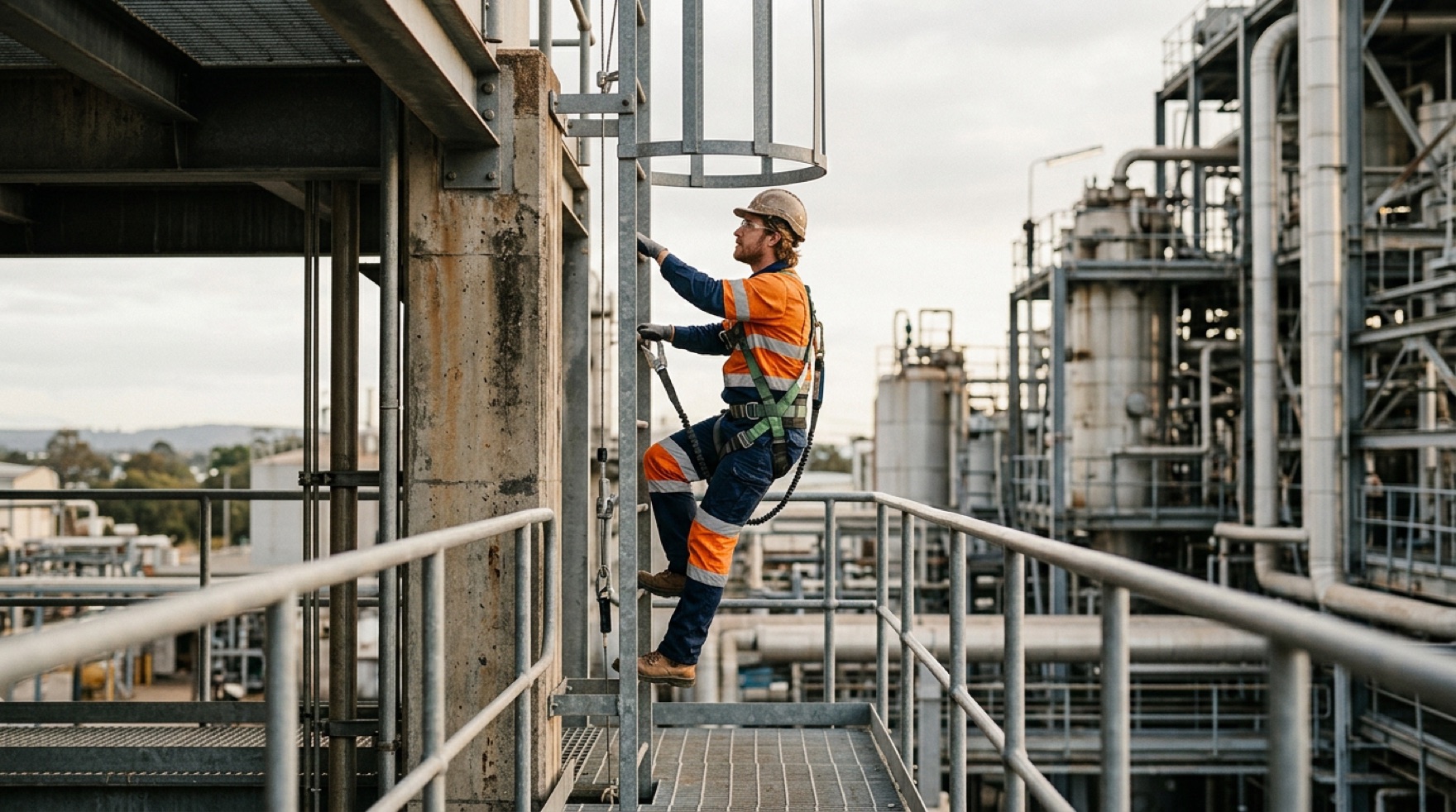
Falls from high elevation due to lack of guardrails or fall-arrest systems;
Collapse of the scaffold due to instability or overloading its weight capacity;
Falling objects striking workers due to a lack of protection, like nets or toeboards;
Electrocution due to the scaffold’s proximity to overhead power lines.
OSHA’s Scaffold Safety Requirements
Scaffold planners must be “qualified persons,” while scaffold users and erectors/dismantlers must be trained by a qualified person. By “qualified,” OSHA means someone who possesses “a recognized degree, certificate, or professional standing,” or “by extensive knowledge, training, and experience has successfully demonstrated the ability to solve or resolve problems relating to the subject matter, the work, or the project.”
This training must teach workers how to recognize hazards associated with the particular type of scaffold in use, as well as how they can minimize those hazards by ensuring safety requirements are met. These general requirements differ based on the type of scaffold used. For instance:
Supported scaffold requirements include the use of restraints (guying, tying, bracing, etc.) to avoid tipping when a scaffold’s height-to-base width ratio exceeds 4:1, ensuring that load-bearing supports bear on firm foundations (base plates, mud sills, etc.) – and more;
Unsupported scaffold requirements include the use of support devices that rest on surfaces that can support at least four times their load, suspension scaffolding being tied or otherwise secured to prevent swaying – and more.
OSHA also provides safety requirements regarding…
Access: If scaffold platforms are more than two feet above or below a point of access, it requires a form of access, such as a ladder, stair tower, or ramp;
Use: No work can be conducted on a scaffold with snow, ice, or other slippery materials unless the work involves removing those materials;
Fall protection: If a scaffold platform is 10 feet or higher from a lower level, it requires fall protection, such as guardrails or fall-arrest systems. Certain types of scaffolds require specific types of fall protection;
Falling object protection: Protective systems like toeboards, tool tethers, screens, nets, and canopies must be installed to protect workers and property from falling tools and debris. Hard hats are also required.