Hazardous airborne conditions expose workers to serious biological, particulate, and chemical contaminants, but a well-designed respiratory protection program could keep them safe. In this article, we’ll see how OSHA’s Respiratory Protection Standard can help workplaces establish such a program.
OSHA’s Respiratory Protection Standard
Wherever workers are exposed to hazardous levels of airborne contaminants, employers must ensure they’re properly protected. Such hazards should be addressed first through engineering controls that directly mitigate the airborne hazard, second through administrative controls that reduce exposure and duration, and third through personal protective equipment (PPE) that keep exposures below the permissible limit.
First, an exposure assessment must be conducted to identify the type and concentration of contaminant that workers must be protected from. This will determine if the hazard is a particulate, chemical, or biological contaminant as well as its concentration — both essential factors in selecting a respirator that can provide effective protection.
Once the hazard is understood, a comprehensive respiratory protection program must be developed. This program will supply respirators to workers and set procedures for fit testing, training, and maintenance. It will also include a respirator change schedule to ensure respirators, cartridges, and filters are capable of providing sufficient protection against contaminants.
Proper Respirator Use
When workers enter environments with low oxygen levels or harmful airborne hazards (like gases, sprays, or dust), respirators can be used to keep them safe. OSHA outlines the following types of respirators and their applications:
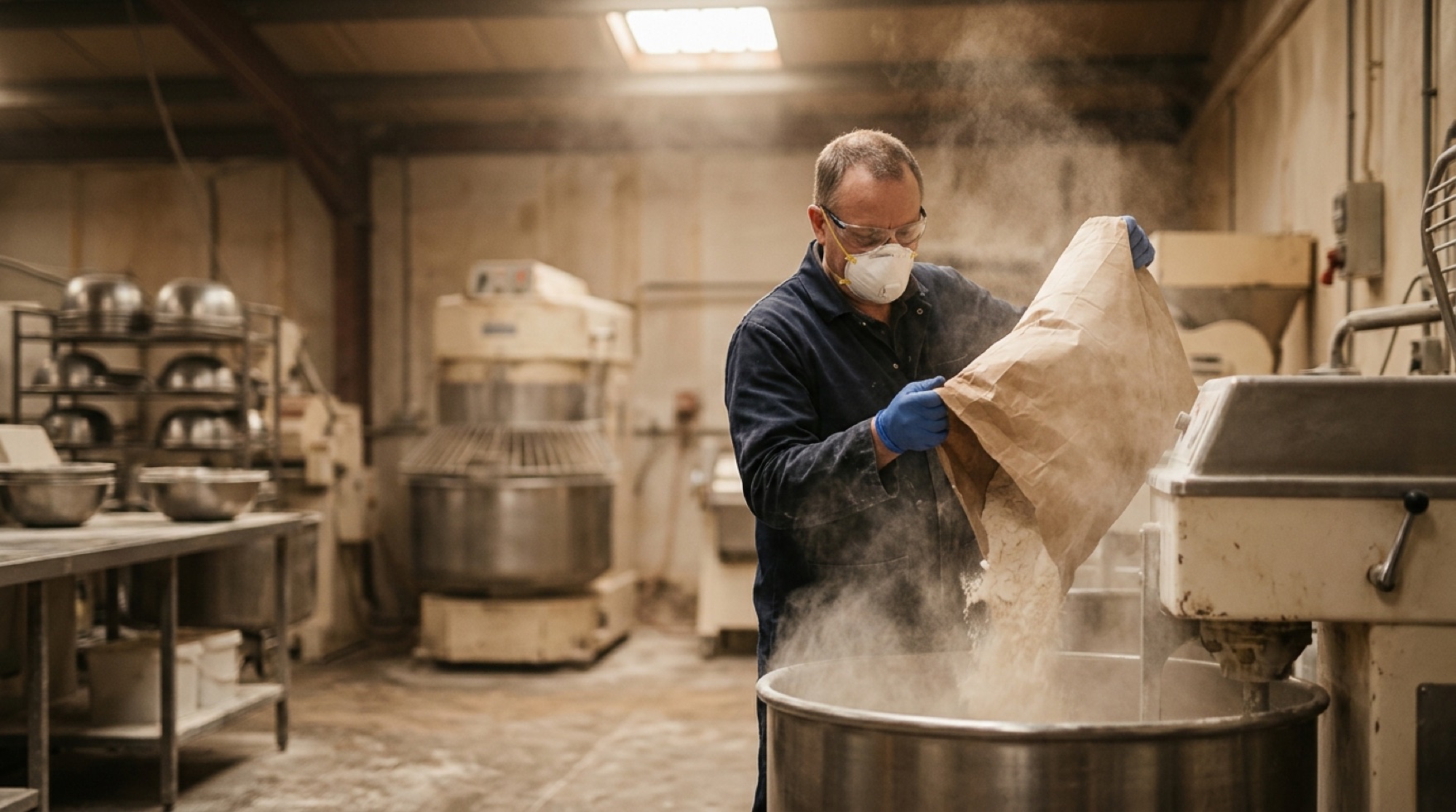
Particulate respirators are air-purifying respirators that filter out particles, such as dust, fumes, and mists — but not gases, chemicals, or vapors. They’re often disposable masks, such as N-95s used in hospitals, or respirators with disposable HEPA filters.
Chemical cartridge respirators are air-purifying respirators that filter out chemical gases. The correct cartridge or filter must be used to provide adequate protection from a specific biological or chemical hazard.
Self-contained breathing apparatuses (SCBA) don’t need to filter hazards out of the air because they supply respirable air from an air tank — though the air tank can be quite heavy and typically only provides about an hour of air.
Even the right respirator and cartridge won’t be able to protect workers if the fit isn’t right — or if they can’t safely wear the respirator for medical reasons. As such, medical clearance testing must be completed to ensure that restricted breathing experienced while wearing the mask is safe. Fit testing is also essential to maintain an effective seal. For exposure levels that exceed 10 times the occupational exposure limit, “quantitative” fit testing methods are required, meaning instruments must be used to ensure a proper seal.
To ensure respirators remain effective, proper storage, maintenance, and cleaning must be conducted according to the respiratory protection program. This will keep respiratory equipment safe from deterioration, as well as ensure that workers don’t use expired cartridges, damaged respirators, or filters with broken seals.
To that end, worker training is key to respiratory protection. Employees must understand how to select the appropriate respirator for the task, wear it properly, and identify when it’s no longer providing adequate protection. Training should also cover the risks associated with improper use, such as exceeding a filter’s capacity to protect against toxic gases.