HVAC & Refrigeration
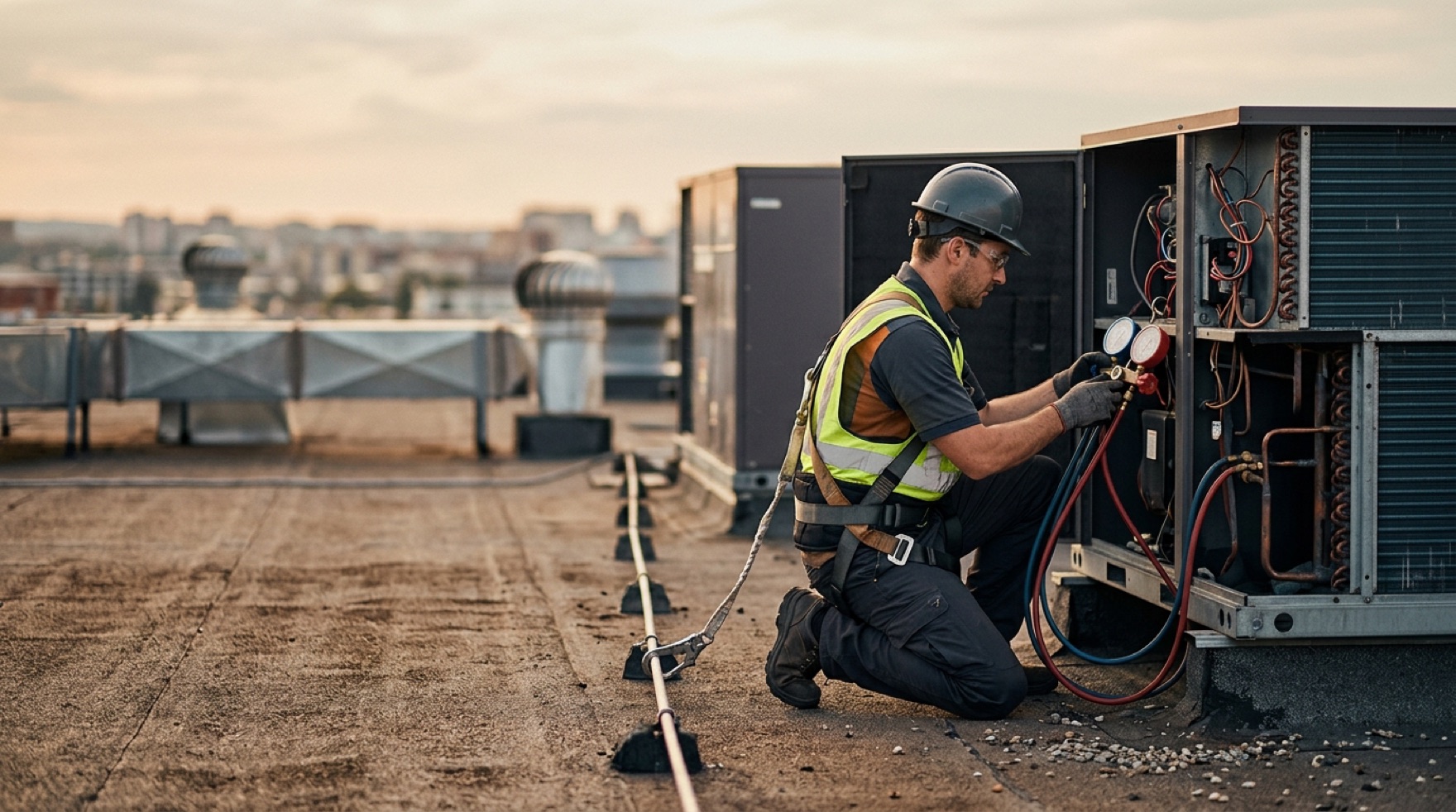
Refrigerant, live circuits, a rooftop, and a torch, often on the same call.
HVAC and refrigeration technicians work with pressurized refrigerants that can asphyxiate or, in industrial systems, poison, alongside live electrical circuits, rooftop and ladder access, and the hot work of brazing joints. A single service call can move through all four hazards, often alone and on a customer's roof.
Refrigerant is the hazard specific to this trade. Common refrigerants displace oxygen in enclosed mechanical rooms and can cause asphyxiation, and industrial systems often use anhydrous ammonia, which is toxic and corrosive to the airway and, above threshold quantities, subject to process safety management. Leaks, charging, and recovery all carry exposure, and a large release in a confined mechanical room is a life-threatening event.
The rest of the job stacks common trade hazards. Electrical work brings shock and arc flash at units and controls, rooftop and ladder access brings fall exposure, and brazing refrigerant lines is hot work that requires fire precautions and creates a confined atmosphere concern in tight mechanical spaces. Because the technician often works alone, the program depends on planning the call: ventilating and detecting refrigerant, de-energizing before electrical work, protecting against falls, and managing brazing as hot work.
The hazards, and the controls that move the needle
Ordered by the hierarchy of controls — eliminate and engineer first, then treat matting, footwear, and PPE as the layers that catch what remains.
Refrigerant asphyxiation and leaks
Refrigerant released in an enclosed mechanical room displaces oxygen and can cause asphyxiation without warning. Charging, recovery, and leak repair all carry exposure.
- Ventilate mechanical rooms and confined spaces before work
- Use refrigerant and oxygen detection where leaks can accumulate
- Recover refrigerant with proper equipment, never venting
- Provide respiratory protection for high-exposure tasks
- Follow EPA refrigerant handling requirements
Anhydrous ammonia in industrial systems
Industrial refrigeration commonly uses anhydrous ammonia, which is toxic and corrosive to the respiratory tract. Systems holding 10,000 pounds or more fall under OSHA process safety management.
- Apply process safety management at or above the threshold quantity
- Maintain detection, ventilation, and emergency shutoff
- Provide ammonia-rated respiratory protection for response
- Restrict machinery-room access and require specific training
- Maintain a written emergency response plan and drills
Electric shock and arc flash
Units and controls carry live circuits, and capacitors hold stored charge after power is removed. Shock and arc flash follow when a circuit is worked without being proven dead.
- De-energize, lock out, and verify absence of voltage before work
- Discharge capacitors before touching terminals
- Use insulated tools and rated gloves for any exposure
- Restrict energized work to qualified persons
- Follow arc flash boundaries and PPE where energized work is justified
Falls from roofs and ladders
Rooftop units and elevated equipment are reached on ladders and across roofs, often near unprotected edges and skylights. Falls from height are a leading cause of serious injury in the trade.
- Assess roof access and edge protection before climbing
- Provide fall protection for roof and elevated work
- Inspect and use ladders within their duty rating
- Maintain three-point contact and avoid overreaching
- Guard or cover skylights and roof openings
The programs that anchor the floor
Refrigerant and ventilation safety
Mechanical rooms are ventilated and monitored before work, and refrigerant is recovered rather than vented under EPA requirements. Where ammonia systems cross the threshold quantity, process safety management governs the work.
De-energize before electrical work
Units and controls are de-energized, locked out, and verified, and capacitors are discharged before terminals are touched. Working a live circuit to save a trip is how HVAC technicians are shocked.
Brazing hot-work control
Brazing refrigerant lines is hot work: combustibles are cleared or protected, an extinguisher is at hand, and tight mechanical spaces are checked for atmosphere and ventilation before the torch is lit.
In-depth guidance
View all 2 →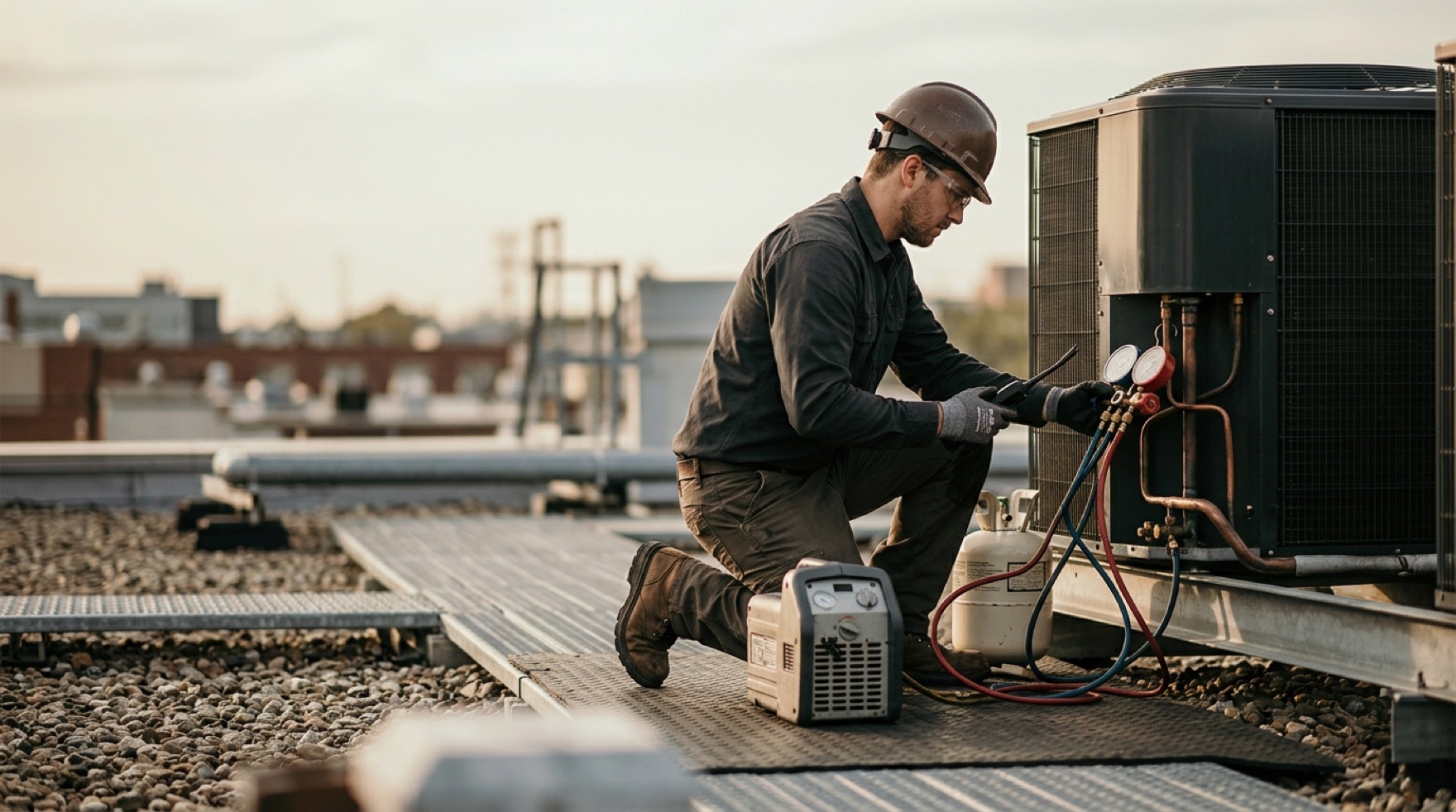
Refrigerant Safety & A2L Flammables in HVAC
The refrigerants replacing R-410A in new equipment, R-32 and R-454B, carry an ASHRAE 34 safety class that older systems never had: A2L, lower toxicity but mildly flammable. That single letter changes how a system has to be detected, ventilated, and serviced. Here is what ASHRAE 15, ASHRAE 34, and EPA Section 608 actually require of the technician who opens the system.
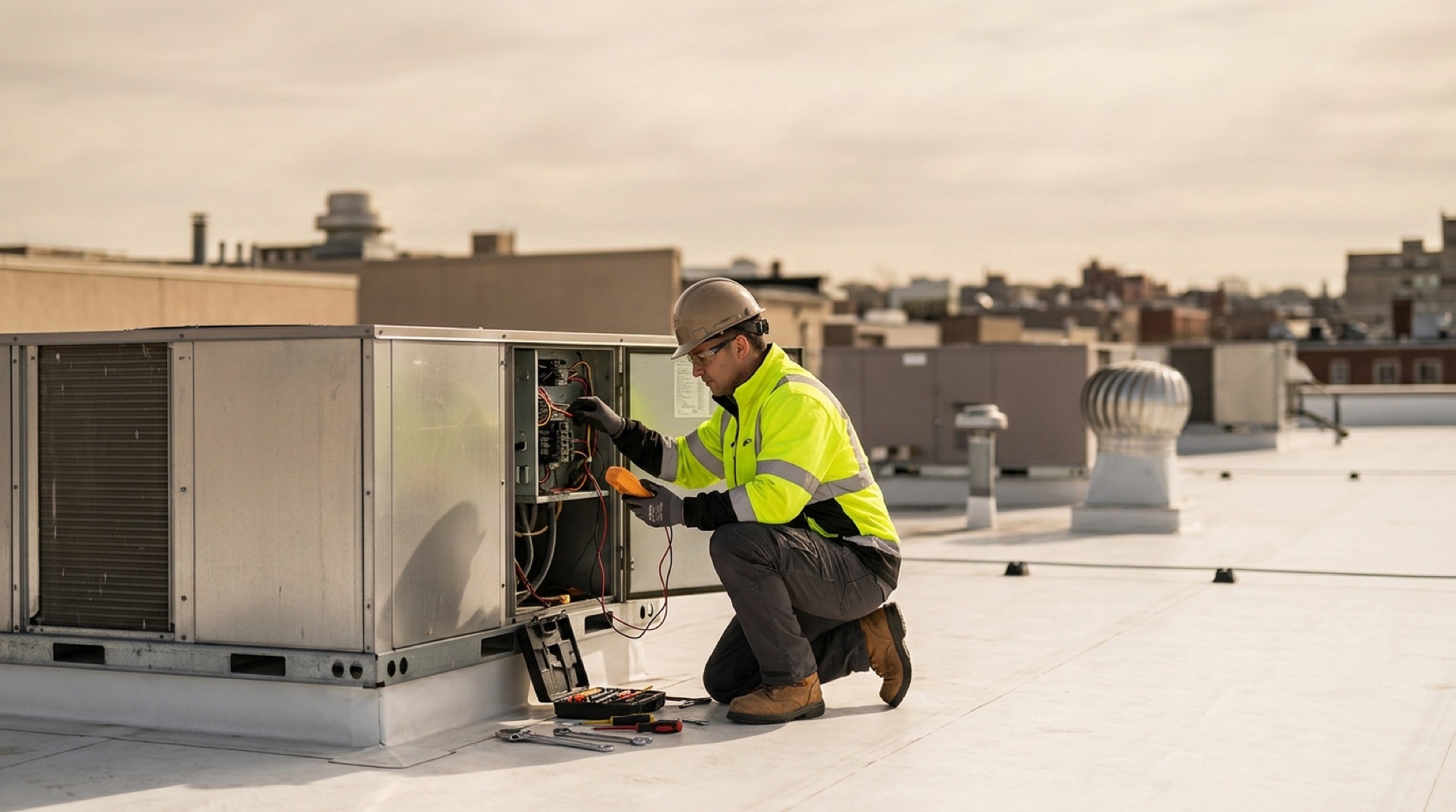
Rooftop & Electrical Hazards in HVAC Service: A Field Checklist
Most rooftop HVAC calls end without incident, and the ones that do not usually turn on two things that were skippable that morning: fall protection near an unguarded edge or skylight, and whether the unit was actually de-energized before someone reached inside it. This is the pre-work checklist for both, tied to 29 CFR 1910.28 and 1910.333.
HVAC service self-assessment
Check your refrigerant, electrical, fall-protection, and hot-work practices against the HVAC and refrigeration hazard pattern.
Start the assessment →HVAC safety guides
Practical guidance on refrigerant safety, electrical de-energization, and rooftop fall protection.
Browse the guides →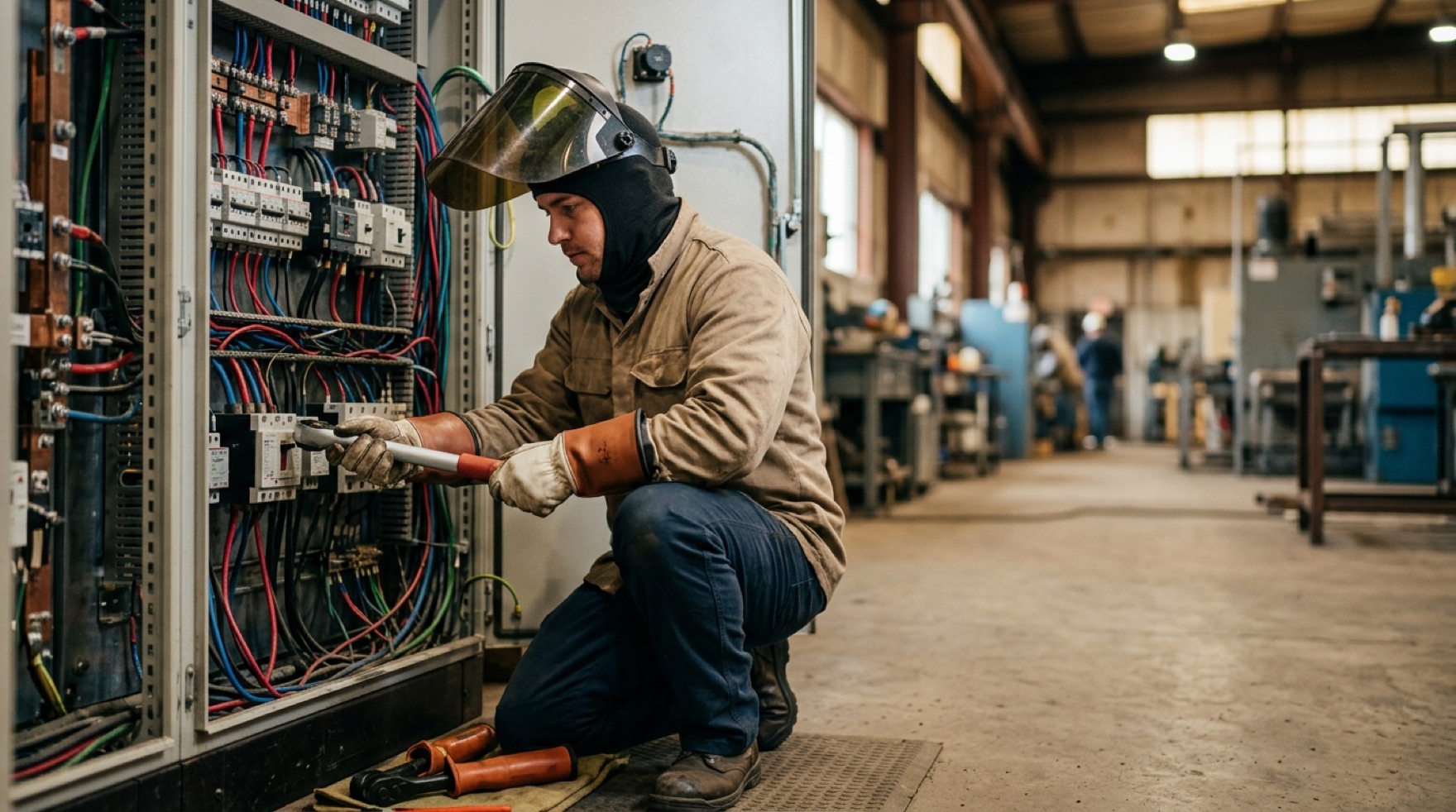
Stay ahead of safety.
New articles, free templates, and regulatory updates in your inbox. No spam — unsubscribe anytime.