Nursing & Clinical Care
Lifting patients, handling sharps, and absorbing the day the patient brings.
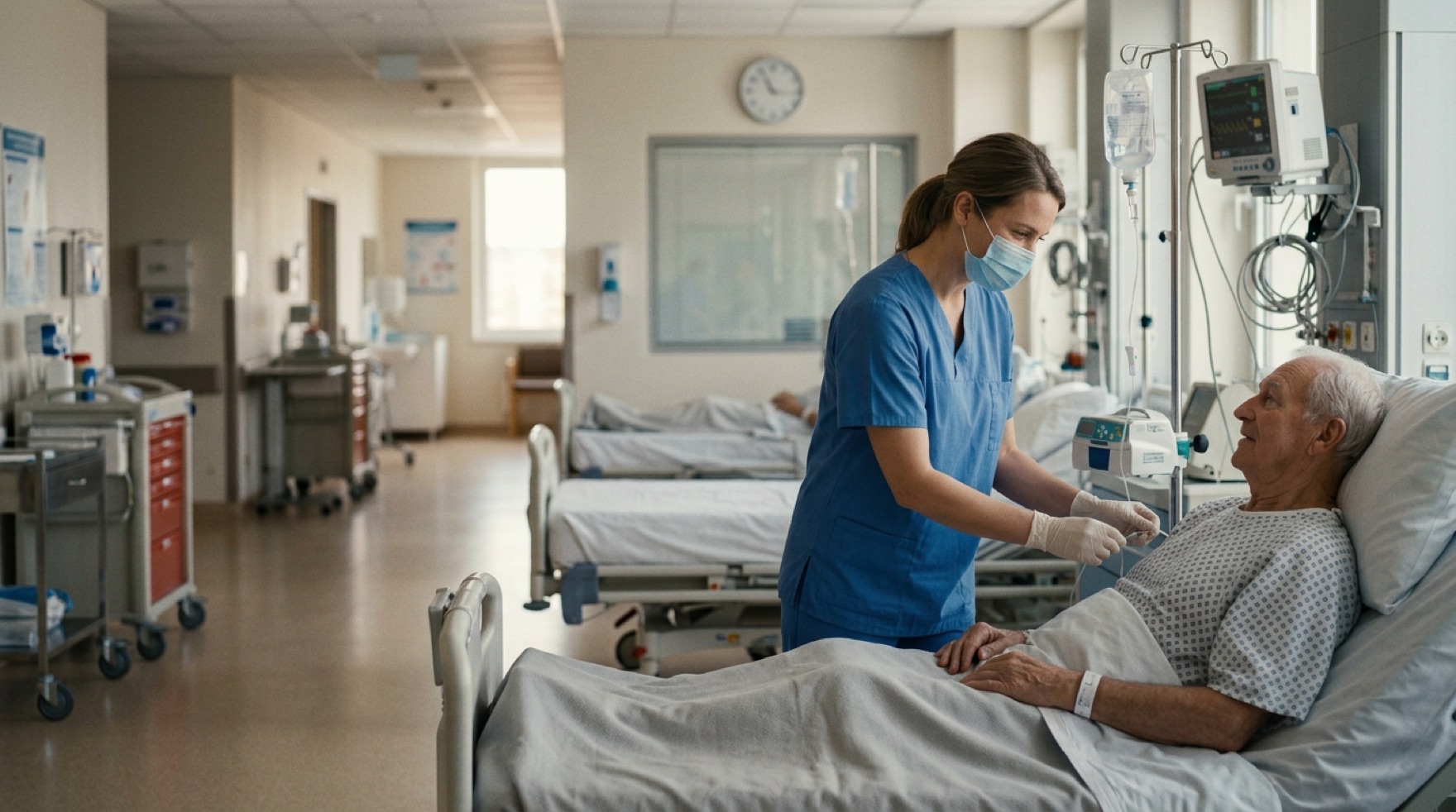
Nursing and clinical care carry an injury profile that surprises people who picture healthcare as low-risk: patient handling drives some of the highest musculoskeletal-injury rates of any occupation, sharps carry bloodborne-pathogen exposure, hazardous drugs and disinfectants add chemical risk, and healthcare workers face among the highest rates of workplace violence.
The injury that defines nursing is the one the public least associates with it: lifting and moving patients. Manually repositioning, transferring, and lifting patients loads the back and shoulders with weights that no lifting technique makes safe, and nursing assistants and nurses record some of the highest musculoskeletal-disorder rates of any occupation. Safe patient handling means engineering the lift out with ceiling lifts, transfer aids, and mechanical equipment, not training staff to lift better.
The clinical environment layers three more hazards on top. Needles and sharps carry bloodborne pathogens, with an estimated 385,000 sharps injuries a year among hospital healthcare personnel, so engineered safety devices and a bloodborne pathogens program are essential. Hazardous drugs and high-level disinfectants add chemical exposure that engineering and PPE control, and workplace violence is a leading source of injury in healthcare, where patients, visitors, and behavioral-health situations create real risk. The program engineers patient handling, controls sharps and chemistry, and treats violence prevention as a safety priority.
The hazards, and the controls that move the needle
Ordered by the hierarchy of controls — eliminate and engineer first, then treat matting, footwear, and PPE as the layers that catch what remains.
Patient-handling musculoskeletal injury
Manually lifting, transferring, and repositioning patients loads the back and shoulders beyond what any technique makes safe. Nursing staff record some of the highest musculoskeletal-disorder rates of any occupation.
- Adopt a safe patient handling program that engineers out manual lifts
- Provide ceiling lifts, sit-to-stand aids, and transfer equipment
- Assess each patient's handling needs and required assistance
- Ensure equipment is available, maintained, and used
- Train staff on equipment rather than manual lifting technique
Sharps injuries and bloodborne pathogens
Needles and sharps expose workers to bloodborne pathogens including hepatitis B, hepatitis C, and HIV. An estimated 385,000 sharps injuries occur each year among hospital healthcare personnel.
- Use engineered sharps-injury-prevention devices
- Provide sharps containers at the point of use
- Never recap needles by hand
- Maintain an exposure control plan and hepatitis B vaccination
- Train safe handling and post-exposure reporting
Hazardous-drug and disinfectant exposure
Preparing and administering hazardous drugs, and using high-level disinfectants, exposes staff to carcinogenic, reproductive, and irritant hazards. Engineering controls and PPE keep exposure down.
- Handle hazardous drugs under USP <800> engineering controls
- Use closed-system transfer devices and containment where required
- Ventilate and control high-level disinfectant use
- Provide chemical-appropriate gloves, gowns, and eye protection
- Maintain safety data sheets and train under the HazCom standard
Workplace violence from patients and visitors
Healthcare workers face among the highest rates of nonfatal workplace violence of any sector, from patients, visitors, and behavioral-health situations. It is a leading source of injury in the field.
- Build a workplace-violence prevention program
- Assess and flag patients and areas with elevated risk
- Provide de-escalation training and response teams
- Design environments and staffing to reduce risk
- Support reporting and post-incident care for staff
The programs that anchor the floor
Safe patient handling program
The program engineers the lift out of the job with ceiling lifts and transfer aids, because no lifting technique makes moving a patient safe for the caregiver's back. Equipment availability and use, not training staff to lift better, is what lowers the injury rate.
Bloodborne pathogens and sharps safety
Engineered safety devices, point-of-use sharps containers, a no-recap rule, and an exposure control plan with vaccination address the sharps hazard. The exposure is high-consequence, so the engineering controls come first.
Workplace-violence prevention
Because healthcare workers face among the highest rates of workplace violence, a prevention program with risk flagging, de-escalation, response teams, and post-incident support is a core safety priority rather than a security matter.
In-depth guidance
View all 3 →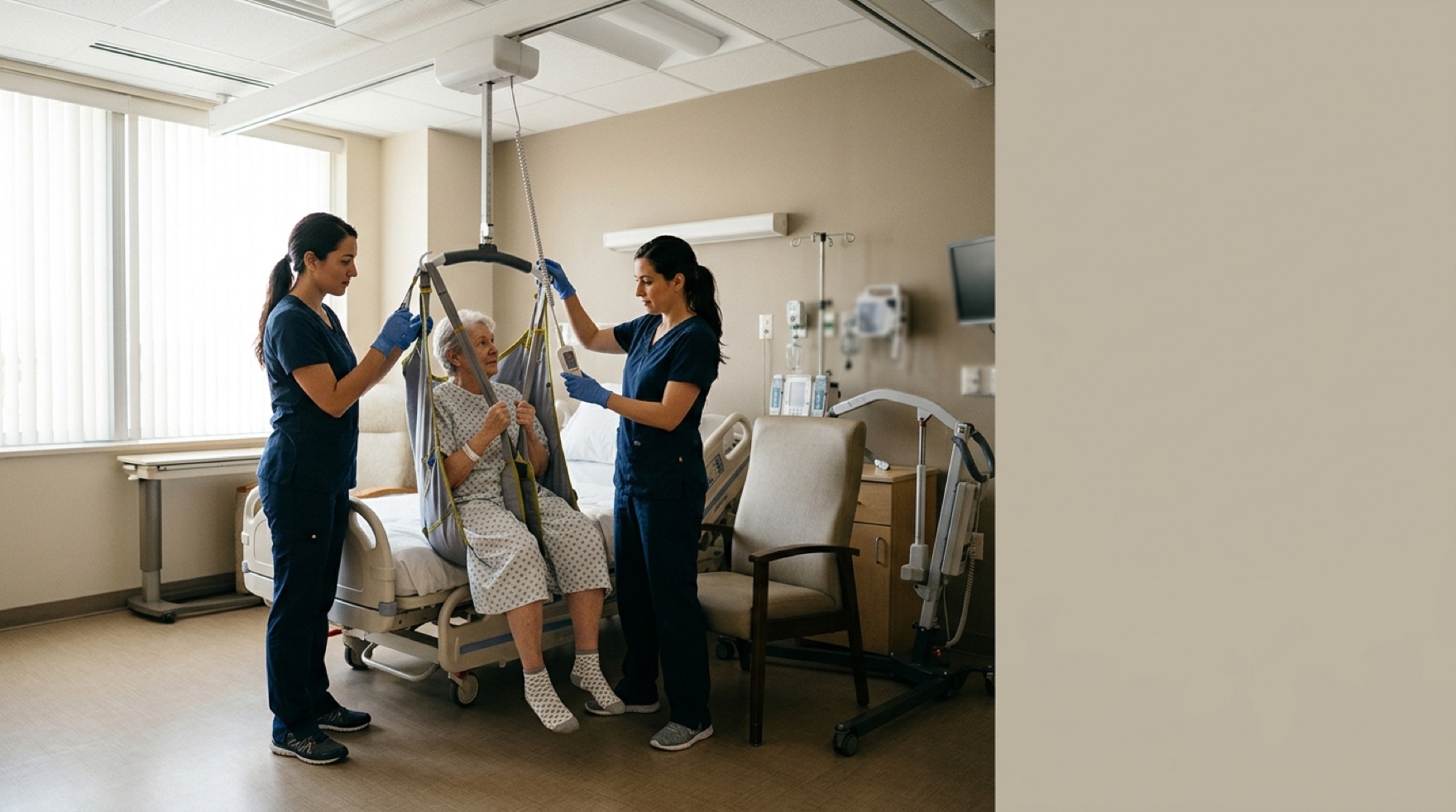
Safe Patient Handling & Mobilization Programs
There is no OSHA standard written specifically for safe patient handling, yet manual lifting injures nursing staff at a rate more than five times the all-industry average. Here is how the hazard is actually regulated, why body mechanics training is not the answer, and what a program that replaces the manual lift with equipment has to contain.
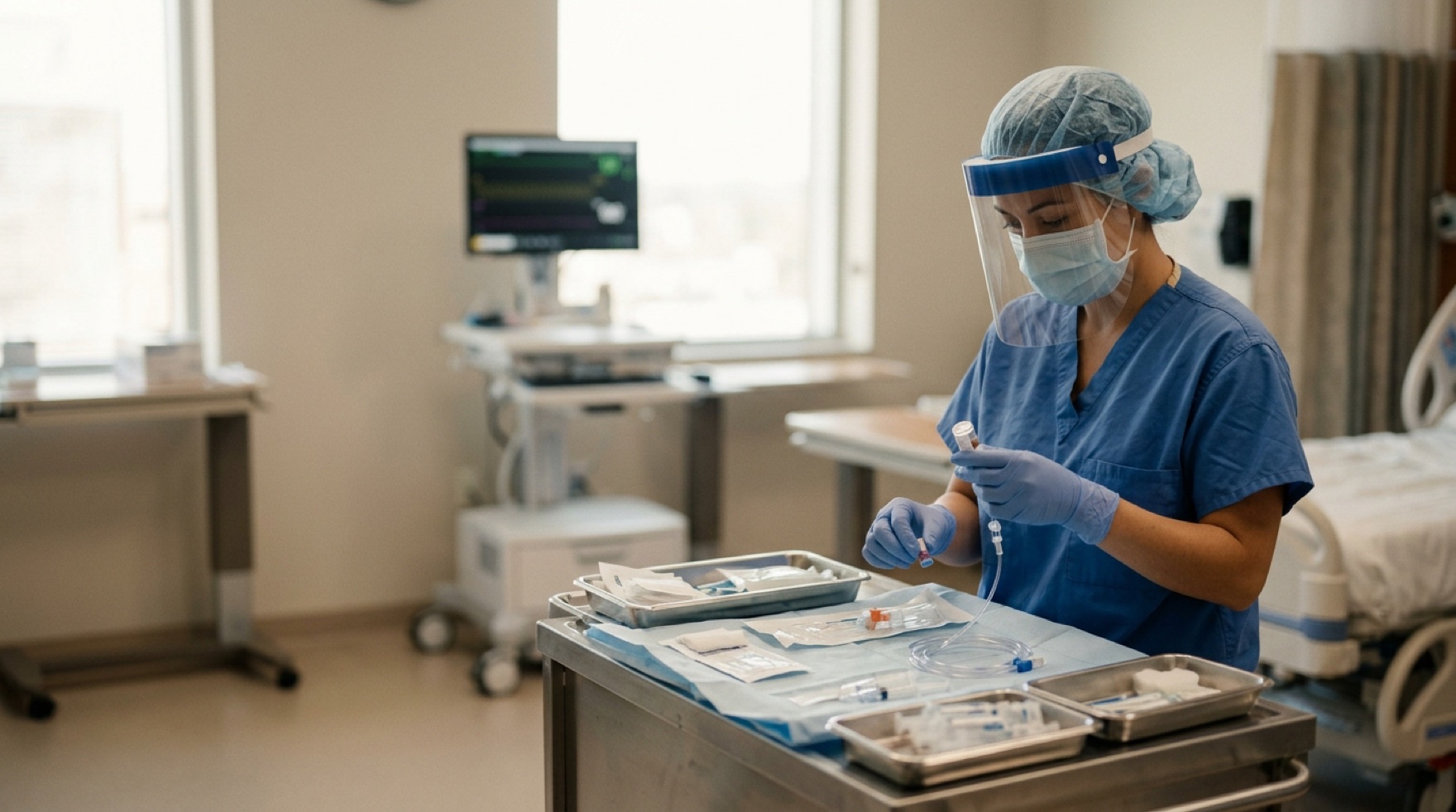
Bloodborne Pathogens & Sharps Safety for Nurses (1910.1030)
29 CFR 1910.1030 does not just tell a nursing employer to be careful with needles. It requires a written Exposure Control Plan, safer sharps devices chosen with frontline nurse input, the hepatitis B vaccine at no cost, and a sharps injury log. Here is what the standard requires and how the 2001 Needlestick Safety Act revision changed it.
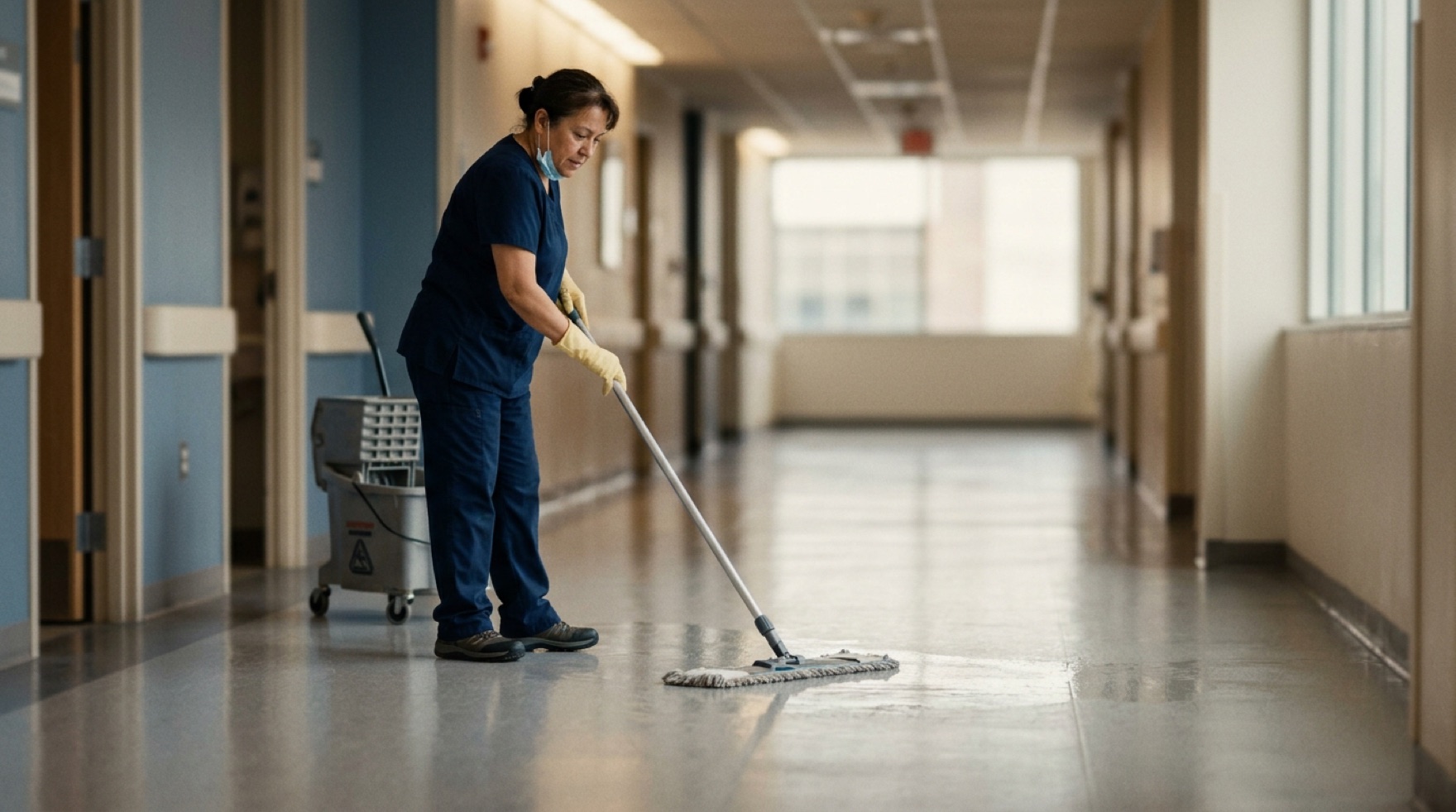
Slips & Falls on Clinical Floors (29 CFR 1910.22)
A clinical floor is wet more often than almost any other workplace: spilled fluids, tracked-in water, and freshly mopped corridors during terminal cleaning. 29 CFR 1910.22 sets the duties that keep those surfaces safe, and the real work is spill response, drainage, footwear, and floor selection, not signage alone.
Clinical hazard self-assessment
Check your patient-handling, sharps, hazardous-drug, and violence-prevention programs against the clinical-care hazard pattern.
Start the assessment →Clinical safety guides
Practical guidance on safe patient handling, sharps safety, and workplace-violence prevention for clinical teams.
Browse the guides →
Stay ahead of safety.
New articles, free templates, and regulatory updates in your inbox. No spam — unsubscribe anytime.