Retail Floor & Checkout
Repetition at the register, stock on the floor, and the risk of the person at the counter.
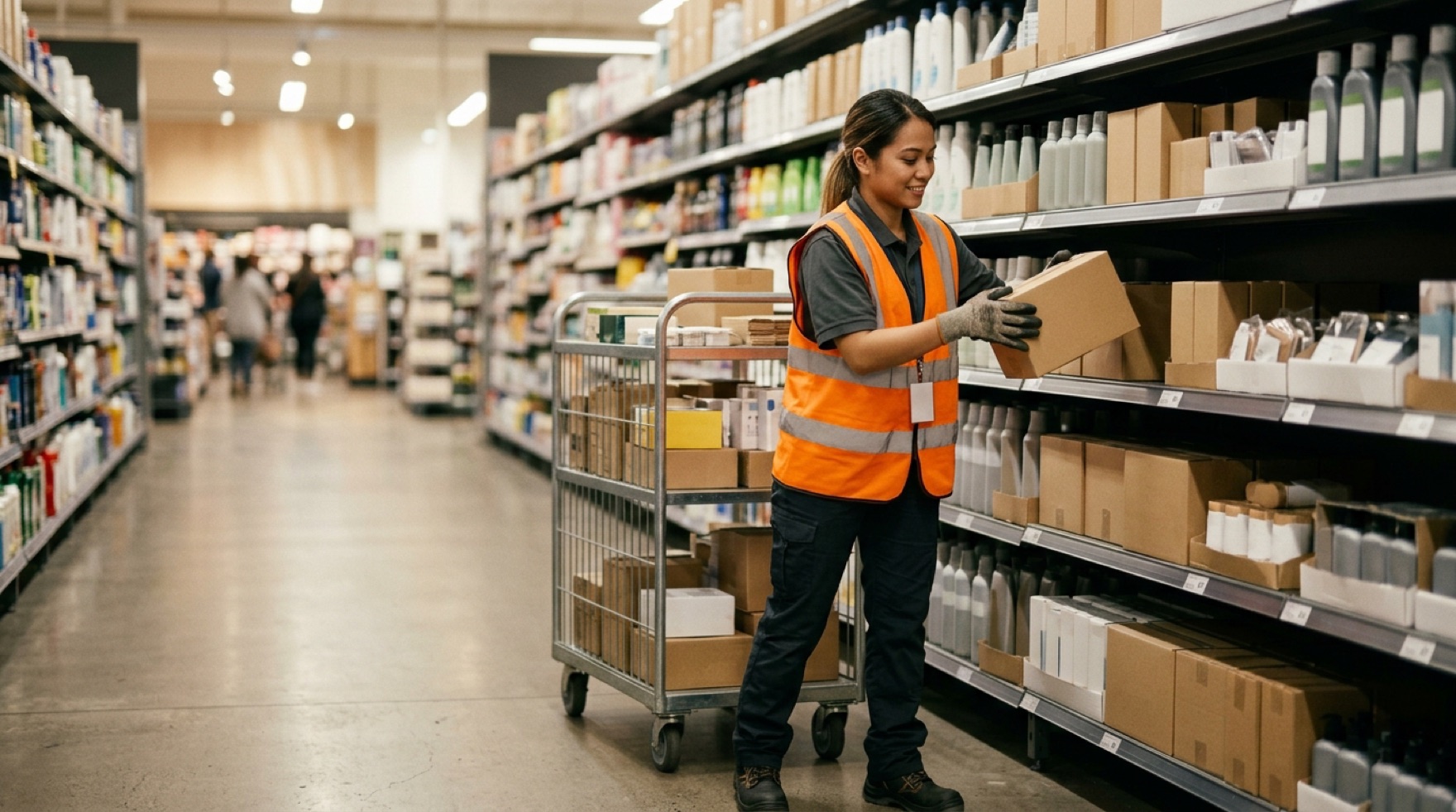
Retail floor and checkout work combines the repetitive strain of scanning and standing at the register with the slip, lifting, and cut hazards of stocking, plus a workplace-violence exposure that is real in retail settings. The injuries are usually cumulative or environmental rather than dramatic, but robbery and customer violence add a serious risk that the trade cannot ignore.
Checkout work is repetitive-motion work. Scanning, lifting, and turning through a shift loads the wrist, shoulder, and back, and standing on a hard floor at a fixed register adds lower-limb fatigue. Because each motion is light, the risk is easy to underrate until it shows up as a cumulative-trauma complaint, so register layout, reach distances, anti-fatigue matting, and sit-stand options are the practical controls.
The sales floor and stockroom add environmental and human hazards. Spills and cluttered aisles create slips and falls, stocking involves lifting and box-cutter cuts, and ladders reach high stock. Layered on all of it is workplace violence: retail settings carry a real risk of robbery and customer aggression, and a workplace-violence prevention program is part of the safety picture rather than a separate security concern. The program addresses the ergonomics of the register, the housekeeping of the floor, safe stocking, and a violence-prevention plan together.
The hazards, and the controls that move the needle
Ordered by the hierarchy of controls — eliminate and engineer first, then treat matting, footwear, and PPE as the layers that catch what remains.
Repetitive scanning and standing strain
Scanning, lifting, and turning at the register repeats the same motions thousands of times a shift, and standing on a hard floor adds fatigue. Cumulative trauma to the wrist, shoulder, and back builds quietly.
- Design the checkout layout to reduce reach and twisting
- Provide sit-stand options and anti-fatigue matting
- Position scanners and bagging to keep motions neutral
- Rotate tasks between register and floor
- Train neutral technique and provide micro-breaks
Slips and falls on the floor
Spills, tracked-in water, and cluttered aisles create same-level fall hazards on the sales floor and in the stockroom. Falls are a frequent retail injury for staff and customers alike.
- Clean spills promptly and control tracked-in water at entrances
- Keep aisles and stockroom paths clear
- Use entrance matting and wet-floor signage
- Maintain lighting and slip-resistant floor surfaces
- Provide slip-resistant footwear for staff
Box-cutter and handling cuts
Opening cartons with box cutters and handling stock and displays cause lacerations. Rushed cutting and dull blades raise the risk.
- Use safety cutters with retracting or guarded blades
- Cut away from the body with controlled strokes
- Provide cut-resistant gloves for heavy cutting
- Keep blades sharp and replace them regularly
- Train safe box-cutter use and handling
Workplace violence and robbery
Retail settings carry a real risk of robbery and customer aggression, especially in cash-handling and late-hour operations. Workplace violence is a recognized hazard that a prevention program addresses.
- Assess violence risk and build a prevention program
- Use cash-handling controls, visibility, and layout to deter robbery
- Provide de-escalation training and clear response procedures
- Set staffing and opening or closing protocols for high-risk hours
- Support reporting and post-incident care for staff
The programs that anchor the floor
Checkout ergonomics
Register layout, reach distances, matting, and sit-stand options are set to keep repetitive scanning within neutral limits. Rotating between register and floor spreads the load off any single joint.
Housekeeping and safe stocking
Prompt spill cleanup, clear aisles, safe box-cutter use, and proper lifting and ladder practice cover the floor and stockroom hazards. These are frequent, preventable injuries that discipline and equipment control.
Workplace-violence prevention
A violence-prevention program assesses risk, uses cash-handling and layout controls, and trains de-escalation and response. In retail, this is a core safety element, not a separate security add-on.
In-depth guidance
View all 2 →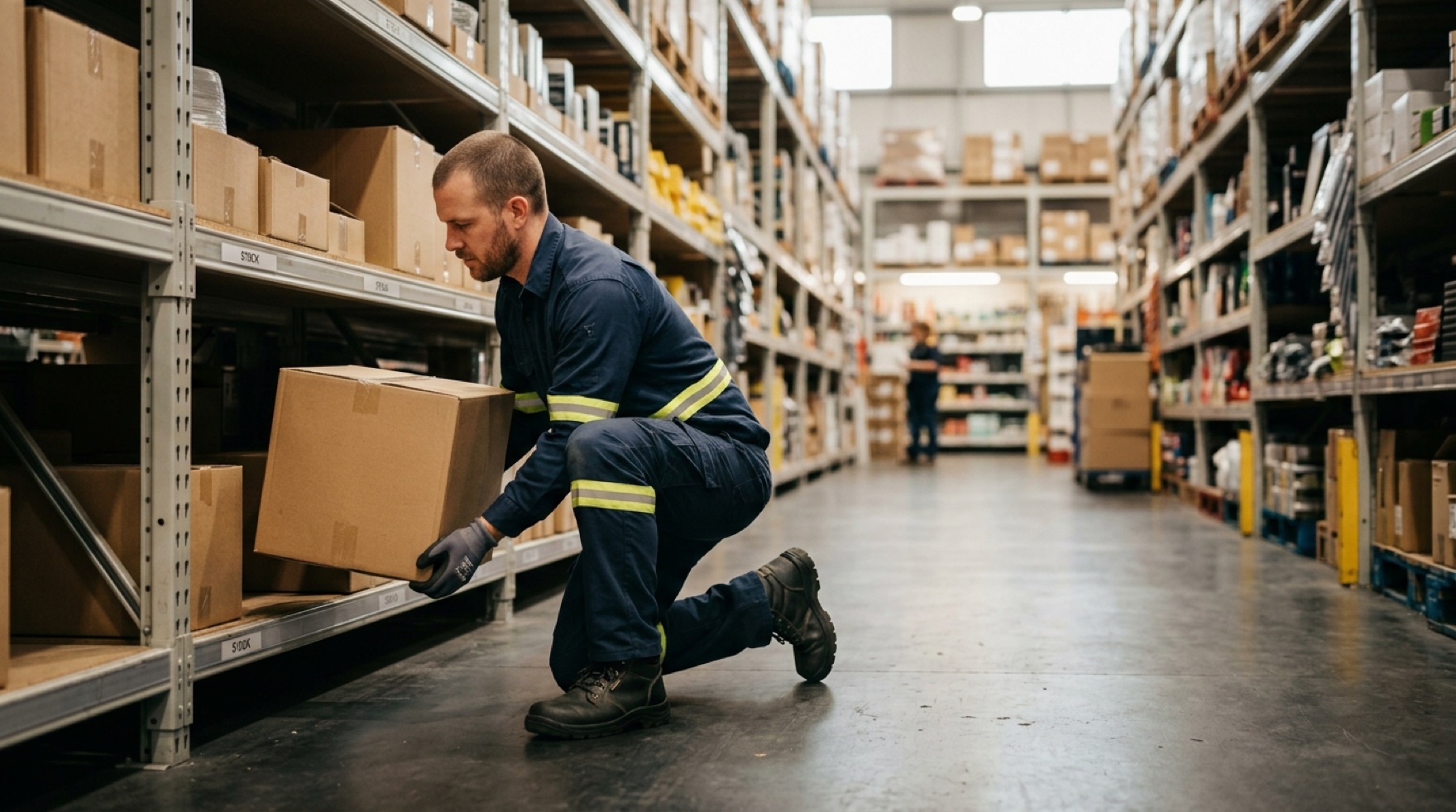
Retail Floor Safety: Slips, Falls & Manual Handling
The retail floor and backroom generate two injury patterns that rarely make headlines but drive most of the lost time in a store: same-level slips and falls on wet or cluttered surfaces, and strains from stocking, unloading, and reaching. 29 CFR 1910.22 governs the surfaces, and OSHA and NIOSH retail ergonomics guidance covers the lifting. Here is what the standard requires and how to reduce both.
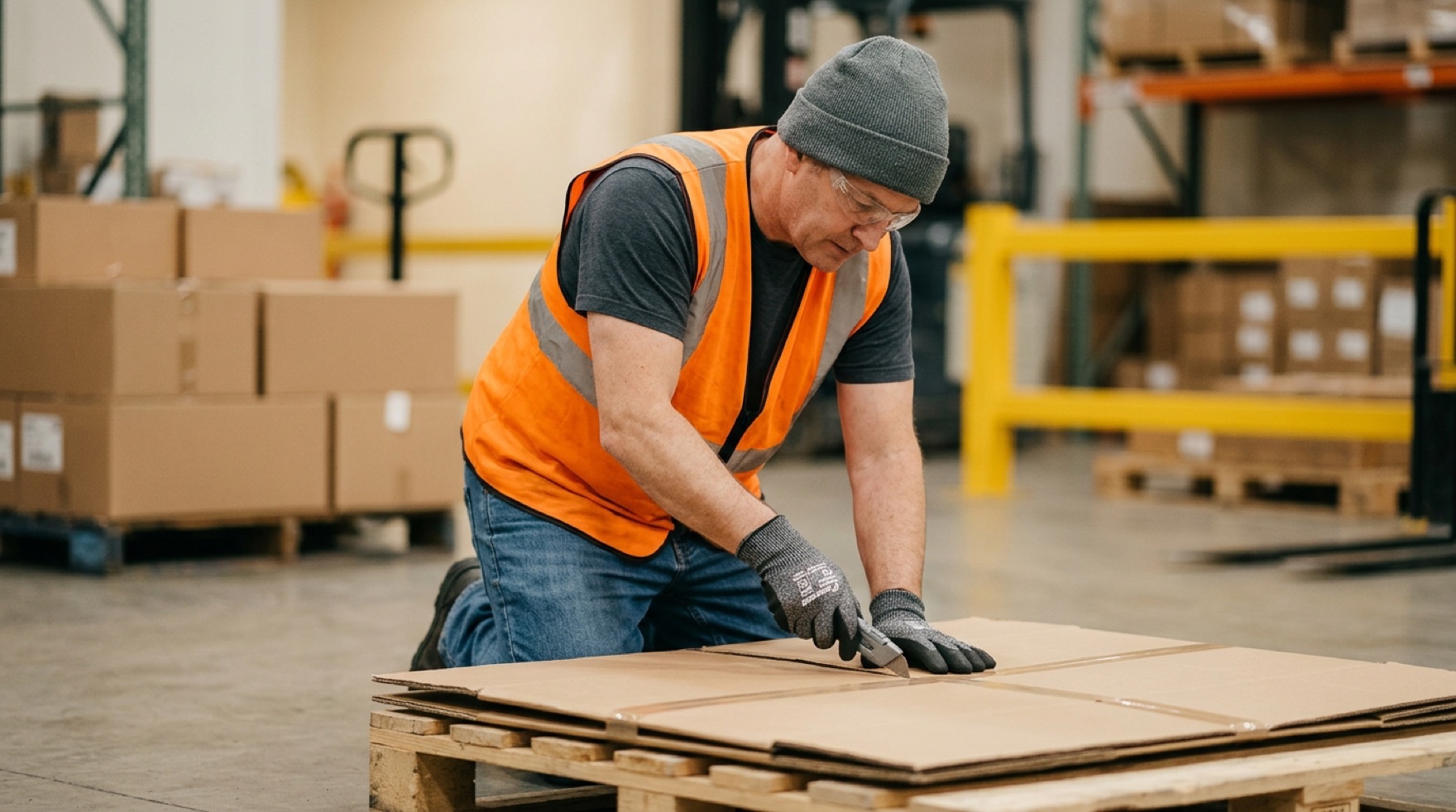
Box-Cutter & Laceration Safety: Choosing Cut-Resistant Gloves
Box cutters open nearly every carton that reaches a retail floor, and they cause a steady stream of hand lacerations on truck day and at the shelf. Cutting away from the body and switching to a safer knife comes first, but where a blade stays in the hand, the glove has to match the hazard. This is how to read ANSI/ISEA 105 cut levels A1 through A9 and pick the right one.
Retail hazard self-assessment
Check your checkout ergonomics, floor housekeeping, stocking practices, and violence-prevention program against the retail hazard pattern.
Start the assessment →Retail safety guides
Practical guidance on checkout ergonomics, safe stocking, and workplace-violence prevention for retail teams.
Browse the guides →
Stay ahead of safety.
New articles, free templates, and regulatory updates in your inbox. No spam — unsubscribe anytime.